That dresser in the garage, the wobbly side table from a yard sale, the dining chairs that no longer match your style — none of it belongs in a landfill. Furniture upcycling is one of the most rewarding ways to personalize your home without spending a fortune on new pieces. With a weekend, a few basic tools, and a little patience, you can turn something worn and forgettable into a piece that looks custom-made. Here are eight upcycling projects that deliver real style for very little money.
Sand and Refinish a Tired Wood Dresser
A scratched or water-stained dresser almost always has good bones underneath the damage. Strip off old varnish with a chemical stripper or sand it back with 120-grit paper, then work up to 220-grit for a smooth finish before staining or sealing. A fresh coat of stain in a richer tone, or a matte topcoat over bare wood, can make a decade-old piece look intentionally rustic rather than simply old. This is one of the most reliable DIY home decor ideas for anyone starting out with upcycling.
Give an Old Chair New Life With Fresh Upholstery
Reupholstering a dining or accent chair is far more approachable than it sounds. Remove the old fabric carefully, use it as a template for the new material, and reattach with a staple gun and a bit of batting for extra comfort. Choose a durable fabric in a pattern or color that ties into your existing scheme, and suddenly a chair headed for the curb becomes the focal point of the room. Pair the refreshed seating with ideas from these home design ideas to build out the rest of the space.
Reimagine a Thrifted Cabinet With Bold Paint
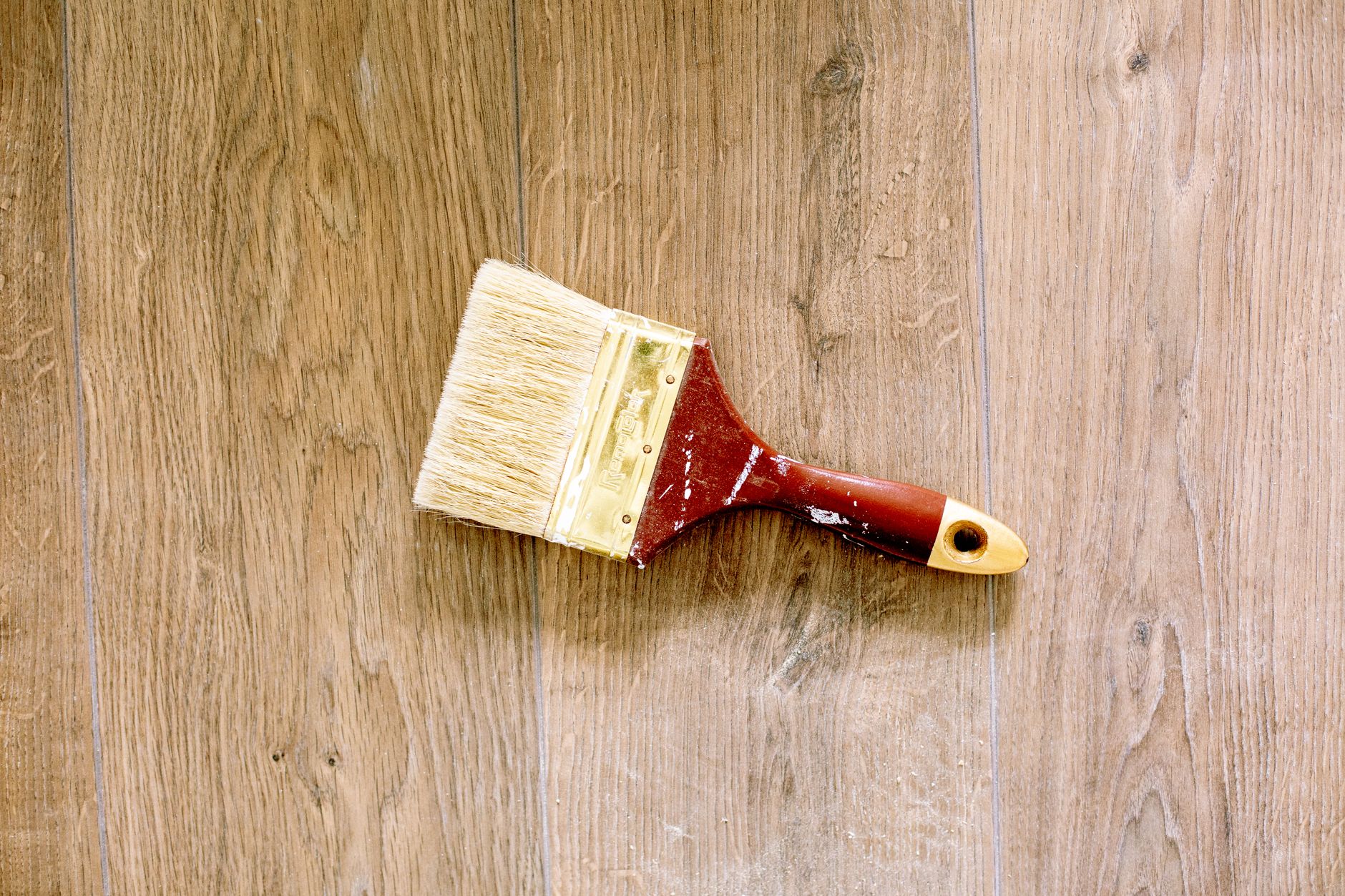
Paint is the single most transformative tool in furniture upcycling. A cabinet in a dated wood tone can become a statement piece with a saturated color like deep green, navy, or terracotta. Prime first with a bonding primer designed for laminate or wood, apply two thin coats of paint, and finish with a protective topcoat for pieces that will see daily use. Bold color on a single cabinet also works well as an accent against the neutral palettes found in many home design secrets for elevating a room.
Swap Out Hardware for an Instant Upgrade
Sometimes the fastest upcycle isn’t a paint job at all — it’s the hardware. Dated brass knobs or plain wooden pulls can make an otherwise nice piece feel stuck in another decade. Swapping in matte black, brushed brass, or unlacquered hardware takes an afternoon and instantly modernizes dressers, cabinets, and sideboards. Measure the existing hole spacing before you shop so new pulls line up without extra drilling.
Turn a Vintage Trunk Into a Statement Coffee Table
Old steamer trunks and wooden chests make excellent coffee tables with built-in storage, and they add character that a mass-produced table can’t match. Clean the exterior, condition any leather straps or hardware, and add furniture pads or short hairpin legs if you want extra height. The result works beautifully in living rooms designed around the kind of layered, collected look covered in these creative DIY lighting projects and similar small-scale builds.
Add Texture With a DIY Decoupage Finish
Decoupage is an easy way to bring pattern and texture to flat surfaces like tabletops, drawer fronts, or a headboard. Use decorative paper, fabric, or even wallpaper scraps, adhere with decoupage medium, and seal with several thin coats for durability. This technique is especially effective on small pieces like nightstands or trays, where a bold pattern reads as intentional rather than overwhelming.
Build Custom Storage From Reclaimed Wood
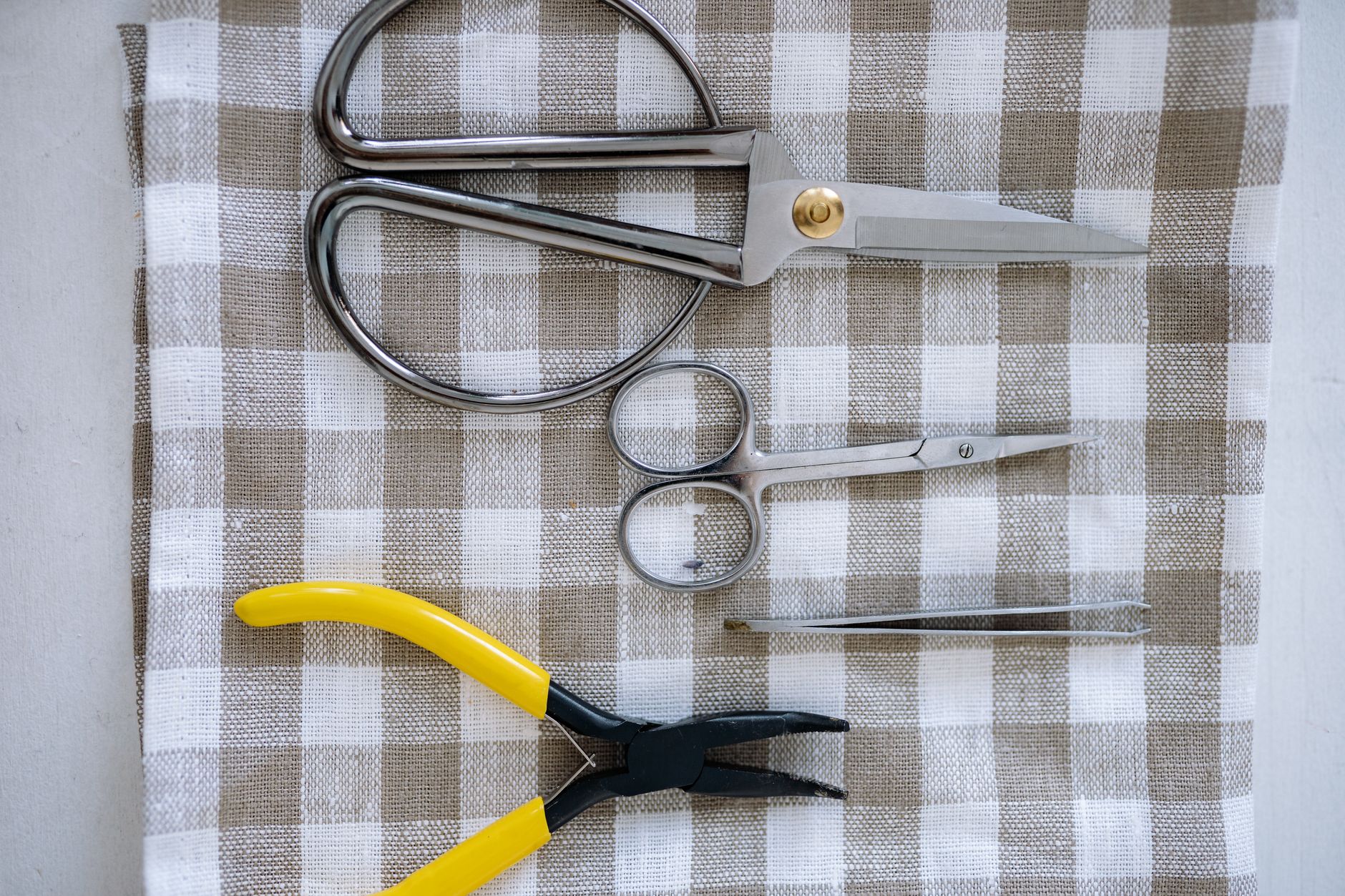
Pallet wood, old shelving, or salvaged boards can be reassembled into custom shelving, media consoles, or entryway benches. Sand down rough edges, fill gaps with wood filler, and finish with stain or paint to match your space. Because every board is unique, reclaimed wood projects naturally develop the kind of one-of-a-kind character that’s central to avoiding common home design mistakes that make a space feel generic.
Layer in Small Upcycled Accents
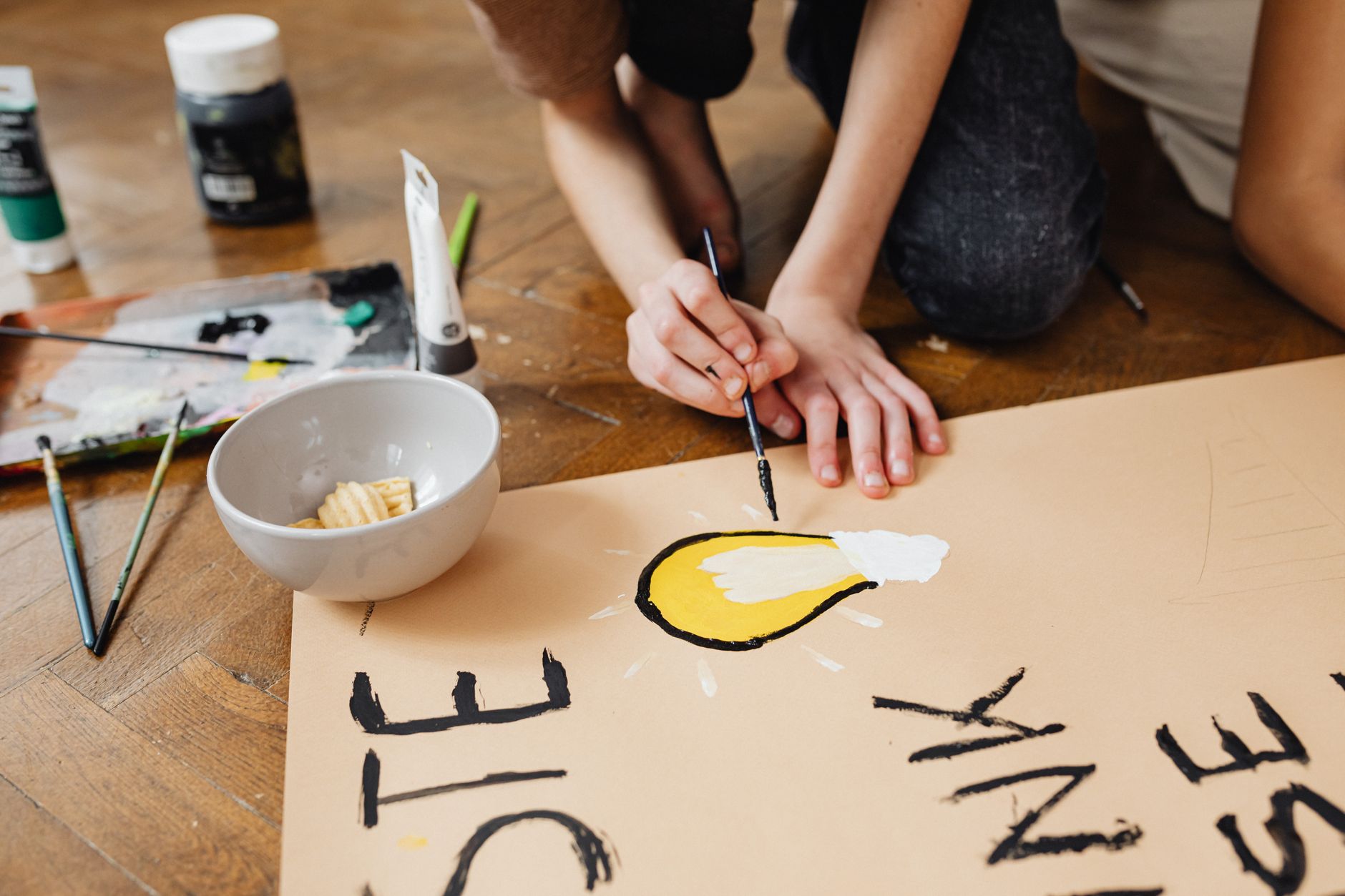
Not every project needs to be a major furniture overhaul. Repainting picture frames, re-covering a lampshade, or adding new legs to a small side table are all quick wins that reinforce a cohesive style throughout the home. These smaller touches pair naturally with the kind of budget-conscious refresh outlined in this guide to easy DIY home decor projects.
Final Thoughts
Furniture upcycling rewards patience over perfection — a slightly imperfect brush stroke or a hand-sanded edge is part of what gives these pieces their character. Start with one item you already own, work through the process methodically, and use the momentum to tackle the next piece. Over time, a home filled with upcycled furniture tells a far more interesting story than one furnished entirely off the showroom floor.