Met Exhibition Highlights Fashion’s Obsession With Chinese Arts And Design

The influence of Chinese culture on fashion design is examined through garments by Alexander McQueen, Yves Saint Laurent and John Galliano in an exhibition at New York’s Metropolitan Museum of Art .
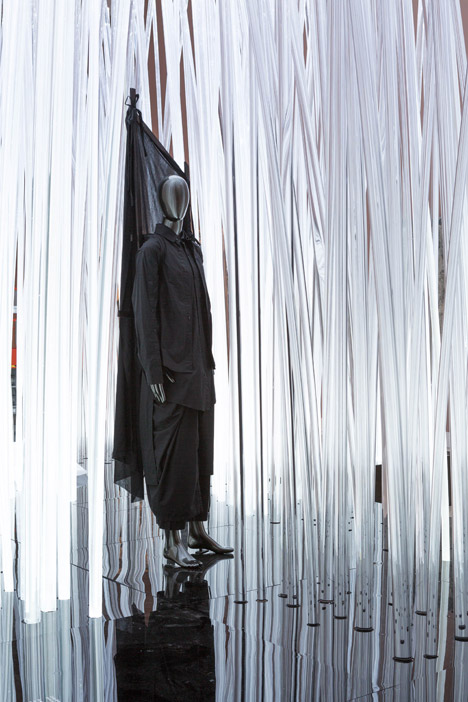
China Through the Looking Glass at The Metropolitan Museum of Art Gallery view, Chinese Galleries, Arthur M. Sackler Gallery, Wuxia Ensemble, Craig Green (Great Britain, born 1986), spring/summer 2015; courtesy of Craig Green

Organised by the Costume Institute, China: Through the Looking Glass is presented across the Met’s Chinese Galleries and Anna Wintour Costume Center.
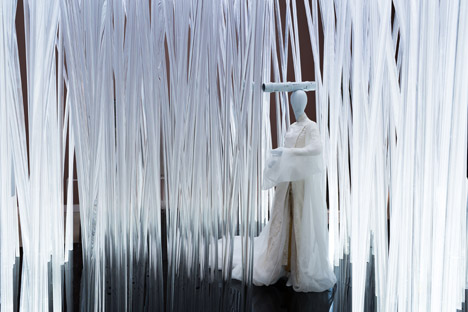
China Through the Looking Glass at The Metropolitan Museum of Art Gallery view, Chinese Galleries, Arthur M. Sackler Gallery, Wuxia Ensemble, Jean Paul Gaultier (French, born 1952), autumn/winter 2001-2; courtesy of Jean Paul Gaultier

The museum’s first exhibition spanning two departments since 2006, it includes 140 examples of haute couture and ready-to-wear garments, which are displayed against traditional Chinese costumes, paintings, porcelain and other artefacts.

The show aims to present the influences of these cultural objects – ranging from early Imperial China to the 20th-century Communist era – on contemporary fashion, from colour and form to decorative patterns.
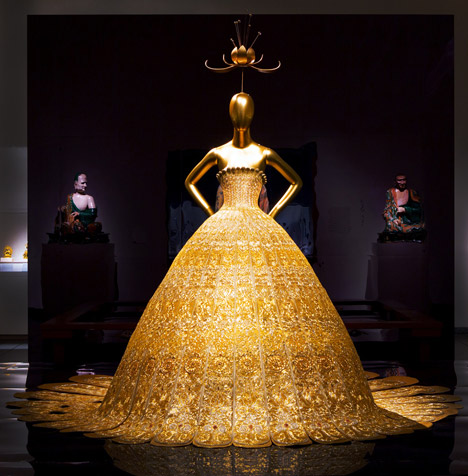
China Through the Looking Glass at The Metropolitan Museum of Art Gallery view, Chinese Galleries, Gallery 207, Guo Pei. Evening gown, Guo Pei (Chinese, born 1967), spring/summer 2007 haute couture; courtesy of Guo Pei

“From the earliest period of European contact with China in the 16th century, the West has been enchanted with enigmatic objects and imagery from the East, providing inspiration for fashion designers from Paul Poiret to Yves Saint Laurent, whose fashions are infused at every turn with romance, nostalgia, and make-believe,” said Costume Institute curator Andrew Bolton.

“Through the looking glass of fashion, designers conjoin disparate stylistic references into a fantastic pastiche of Chinese aesthetic and cultural traditions.”
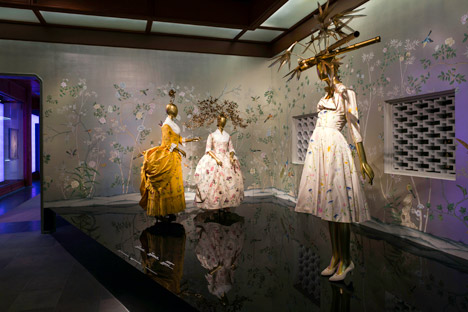
China Through the Looking Glass at The Metropolitan Museum of Art Gallery view, Chinese Galleries, Douglas Dillon Galleries, Export Silk

The exhibition was art directed by filmmaker Wong Kar Wai and styled by William Chang, and is laid out as a “cinematic experience”.


Related story: Punk: Chaos to Couture exhibition at The Metropolitan Museum of Art


“Historically, there have been many cases of being ‘lost in translation’ – with good and revealing results,” said Wong. “As Chinese filmmakers we hope to create a show that is an Empire of Signs – filled with meaning for both East and West to discover and decipher.”
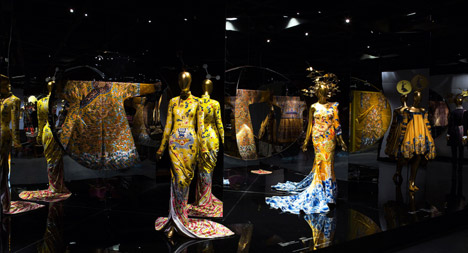
China Through the Looking Glass at The Metropolitan Museum of Art Gallery view, Anna Wintour Costumer Center, Imperial China. Photo courtesy the Metropolitan Museum of Art

At the entrance to the galleries, transparent glass tubes lit from below create the effect of a bamboo forest in which garments from British designer Craig Green’s Spring Summer 2015 collection are displayed. The 2004 film House of Flying Daggers, which features fight scenes in bamboo groves, plays on a screen behind.
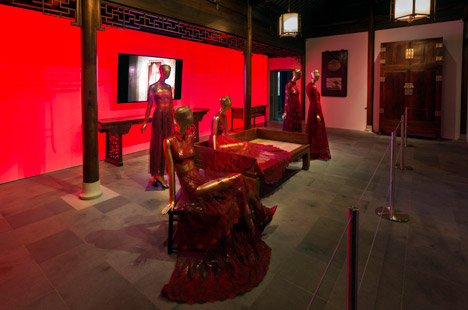
China Through the Looking Glass at The Metropolitan Museum of Art Gallery view, Chinese Galleries, Gallery 218, Ming Furniture

Each room on the upper floor is dedicated to a particular influence. For example, dark red gowns are grouped in a space surrounded by rosewood furniture.

In another area, mannequins wear garments printed and embroidered to look like the intricately decorated blue and white porcelain that has been used in China since the Tang Dynasty.
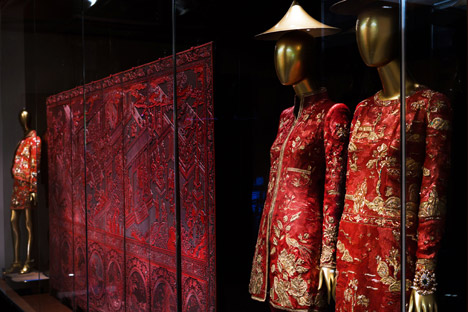
China Through the Looking Glass at The Metropolitan Museum of Art Gallery view, Chinese Galleries, Douglas Dillon Galleries, Chinoiserie

The figures also sport headdresses made from sections of broken plate patterned in the same style, designed by milliner Stephen Jones who created all of headpieces that feature in the exhibition.

Further rooms show the influences of calligraphy, scent and painting, all within environments designed to reflect each medium.
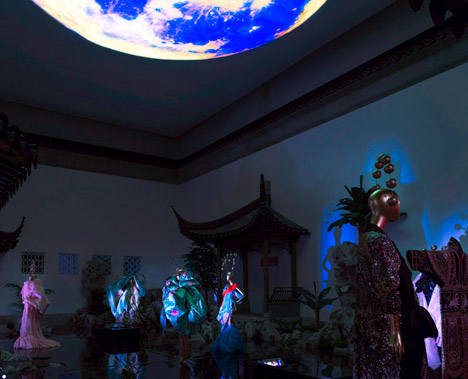
China Through the Looking Glass at The Metropolitan Museum of Art Gallery view, Chinese Galleries, Astor Court, Moon in the Water. Photo courtesy the Metropolitan Museum of Art

Downstairs, one room is dedicated to interpretations of the Qipao – a form-hugging dress with a distinctive high neck and buttoning that became popular in 1920s Shanghai.

Also on display are variations of the khaki green Zhongshan suit worn by leaders of the Communist party, which took control of the country in 1949. The outfit is also known as the Mao suit after the first chairman of the People’s Republic of China.
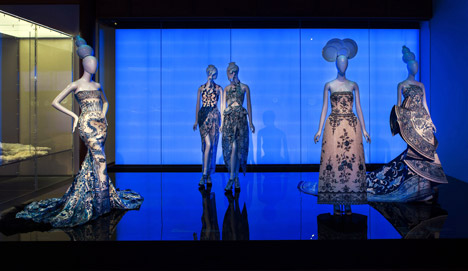
China Through the Looking Glass at The Metropolitan Museum of Art Gallery view, Chinese Galleries, Frances Young Tang Gallery, Blue and White Porcelain

Screens in the connecting spaces present clips of women who helped to proliferate images of Chinese style in the western media, including Butterfly Wu, Madame Wellington Koo and Madame Chiang Kai-shek.

The exhibition includes a range of pieces from Yves Saint Laurent’s Autumn Winter 1977 Chinese and Opium haute-couture collection, and a selection from John Galliano’s time as creative director at Dior.
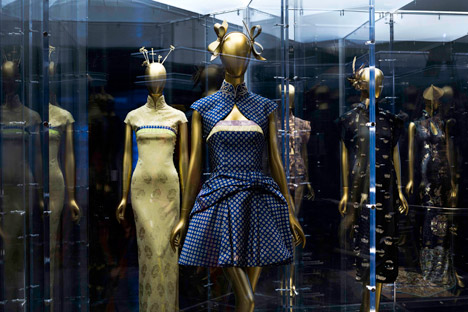
China Through the Looking Glass at The Metropolitan Museum of Art Gallery view, Anna Wintour Costumer Center, Nationalist China

Works by Cristobal Balenciaga, Roberto Cavalli, Coco Chanel, Jean Paul Gaultier, Valentino Garavani, Jeanne Lanvin, Ralph Lauren, Christian Louboutin, Martin Margiela, Alexander McQueen, Dries van Noten, Paul Smith and Vivienne Westwood are among the others on show.

China: Through the Looking Glass continues until 16 August 2015.

Dezeen

Assemble To Fill RIBA Gallery With Brutalist Playground

Turner-nominated architecture studio Assemble has revealed plans to fill a gallery in the headquarters of the Royal Institute of British Architects with a spongy Brutalist-inspired landscape.

Assemble, the first collective to ever be nominated for the UK’s prestigious Turner Prize for art, will collaborate with British artist Simon Terrill on The Brutalist Playground – an installation and exhibition that will run this summer.

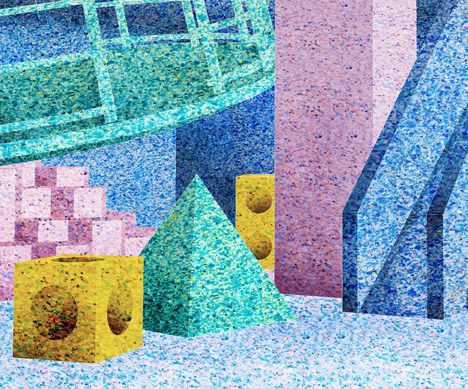
RIBA_Brutalist-playground-by-Assemble-and-Simon-Terrill_dezeen_468_1 This image: Colour view by Assemble and Simon Terrill. Main image: Three estates collage by Assemble and Simon Terrill
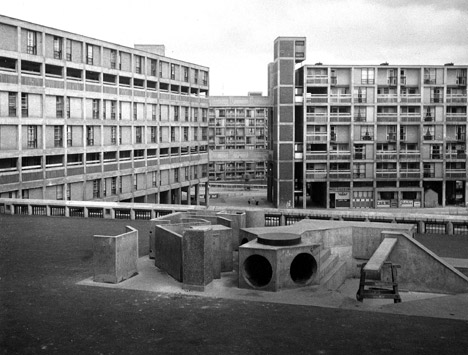
Occupying the Architecture Gallery inside the RIBA’s building on Portland Place in central London, the work is intended as an abstract exploration of forms found in concrete playgrounds designed for Brutalist housing estates in the 20th century.


Related story: Assemble becomes first design studio shortlisted for the Turner Prize


Many of the playgrounds that were built as part of these developments were later demolished, or were neglected and are no longer suitable for playing in.

Park Hill Estate, Sheffield, 1962. Image courtesy of RIBA Library Photographs Collection Park Hill Estate, Sheffield, 1962. Image courtesy of the RIBA Library Photographs Collection
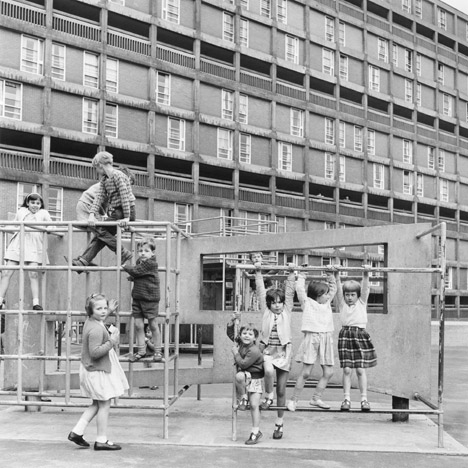
“The challenge of reconstructing elements of now-forgotten Brutalist play structures within the RIBA gallery is an exciting opportunity for us to explore contemporary issues surrounding play, by looking at the often surreal objects from the past,” said a statement from Assemble.

“The interpretation of these spaces has allowed us to ask questions around materiality and the nature of risk in play, while also giving greater visibility to the incredible original images of the playgrounds that can be found in the collections,” added the architects.

Park Hill Estate, Sheffield, 1963. Image courtesy of RIBA Library Photographs Collection Park Hill Estate, Sheffield, 1963. Image courtesy of the RIBA Library Photographs Collection
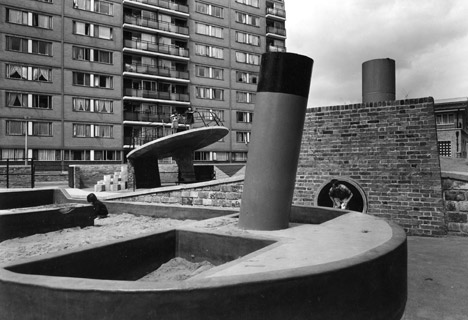
Assemble worked with Terrill to find archive material in the RIBA’s library, documenting London estates including Churchill Gardens in Pimlico, the Brunel Estate in Paddington and the Brownfield Estate in Poplar.

Elements of the sculptured concrete forms that were a recurring feature in the play spaces will be recreated using reconstituted foam, creating an installation that can be climbed on and over.

Churchill Gardens, 1956. Photograph by John Maltby. Image courtesy of RIBA Library Photographs Collection Churchill Gardens, 1956. Photograph by John Maltby. Image courtesy of the RIBA Library Photographs Collection
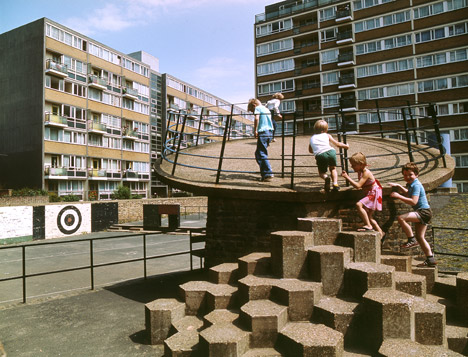
“The original playgrounds evoke a disappearing world of concrete mazes and windswept walkways,” said Terrill. “Like a Brechtian stage set rendered in concrete, they speak to a time before soft play and highly regulated public space.”

“The recreation of these forms is a kind of inverted hyper-Brutalism,” he said. “Playable structures reveling in the sharp-edged bush-hammered concrete forms they reference.”

RIBA_Brutalist-playground-by-Assemble-and-Simon-Terrill_dezeen_468_5 Churchill Gardens, London, 1978. Photograph by John Donat. Image courtesy of the RIBA Library Photographs Collection
Photographs of the playgrounds taken when they first opened will be projected onto the walls.

The installation will be accompanied by a program of talks, debates, film screenings, and other events, which will run throughout the London Festival of Architecture from 1 to 31 June.

The project is part of a wider resurgence of interest in Brutalist architecture, which is being reassessed as some of its most significant examples come under threat of demolition.

Dezeen

Brooklyn Exhibition Pairs Work Of Piero Lissoni And Local Designers

New York 2015: an exhibition in a Brooklyn loft showcases furnishings by Italian designer Piero Lissoni, paired with work by New York designers .

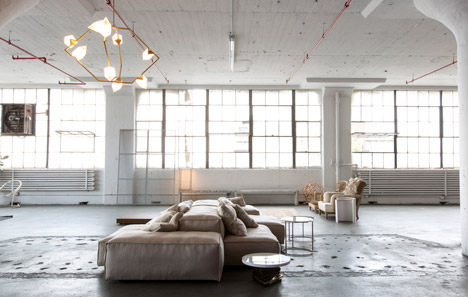
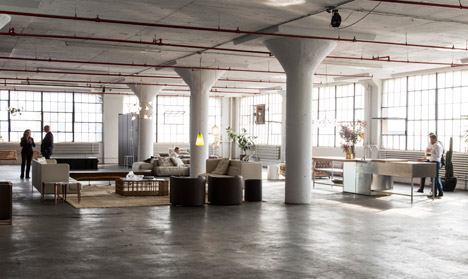
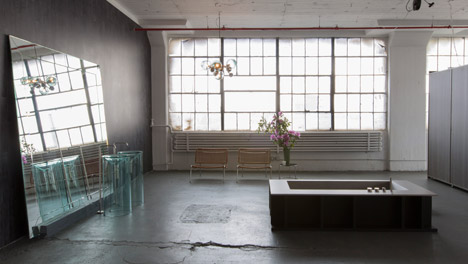
The 1:1 Piero Lissoni Exhibition was presented in a 4,000-square-foot (371 square metre), light-filled space in Industry City – an industrial complex in Brooklyn’s Sunset Park neighbourhood, where designers and artists are increasingly setting up new studios.

1-1-Piero-Lissoni-Exhibition_dezeen_468_9

The four-day exhibition, which closed yesterday, was staged in an open-plan loft fitted out with furnishings by both Lissoni and local designers, including architecture firm Snarkitecture and lighting designer Lindsey Adelman. The show was curated by Carin Scheve, an independent stylist who has long worked with Lissoni.

“The space is so industrial, which is already a contrast with what Piero is designing. I felt like it needed some kind of kick,” said Scheve of her curatorial approach. “That’s when I started to look for all of these young designers.”

1-1-Piero-Lissoni-Exhibition_dezeen_468_4

She sought out expressive pieces that paired well with Lissoni’s furnishings. “What connects them is sophistication,” she said. “I felt somehow you could see a connection, that it could all fit together, that the local pieces would modernise the slick Italian design.”

1-1-Piero-Lissoni-Exhibition_dezeen_468_15

She added that the Brooklyn design scene has a kinship to Milan, with its long legacy of craftsmanship. “Brooklyn is the new place where all these young people are learning how to make things,” said Scheve. “Almost all of these pieces are made here in Brooklyn, which I think is amazing.”

Giving Dezeen a tour of the exhibition, Lissoni said he enjoyed the contrast in styles. “I don’t like when the language becomes flat,” he said. “I’m flat. I design everything a little bit too much on the same line. I like the combination.”

1-1-Piero-Lissoni-Exhibition_dezeen_468_12

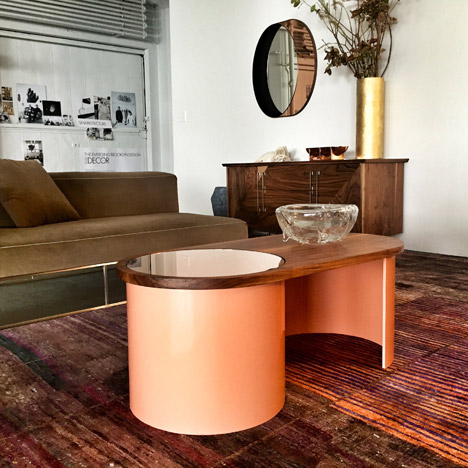
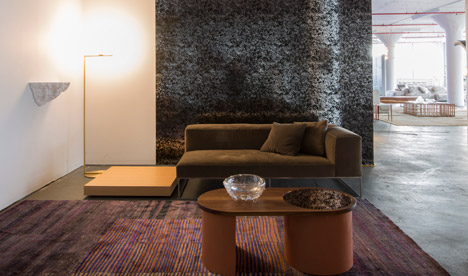
In a lounge area near the loft’s entrance, Lissoni’s Ile Club sofa was combined with two pieces by Bower: the Contour coffee table and Tribar mirror.


Related story: Season chair by Piero Lissoni comprises two simple volumes


Bower is a Brooklyn atelier launched in 2013 by designers Danny Giannella and Tammer Hijazi.

1-1-Piero-Lissoni-Exhibition_dezeen_468_1

The entrance area also featured wallpaper by Brookyln-based wallpaper studio Flavor Paper, from its Andy Warhol collection.

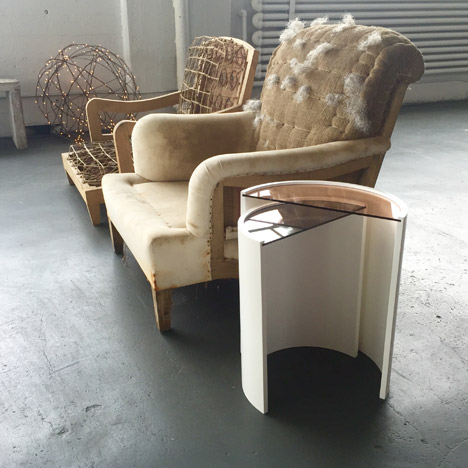
In another section of the show, Bower’s Contour side tables sat alongside battered old chairs.

1-1-Piero-Lissoni-Exhibition_dezeen_468_14

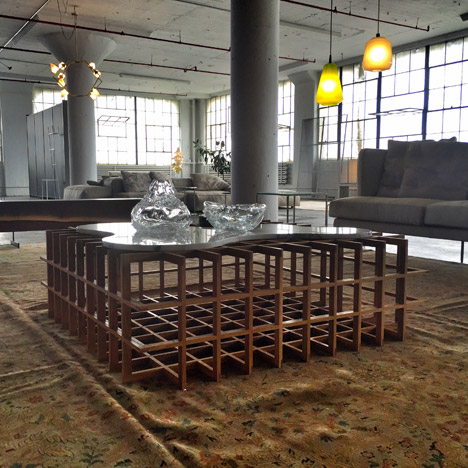
An area styles as a living room contained a Lissoni-designed Lipp sofa paired with the Quadrat coffee table by Pelle. Based in Brooklyn’s Red Hook neighbourhood, Pelle was launched in 2011 by Jean and Oliver Pelle, who both studied architecture at Yale.

1-1-Piero-Lissoni-Exhibition_dezeen_468_13

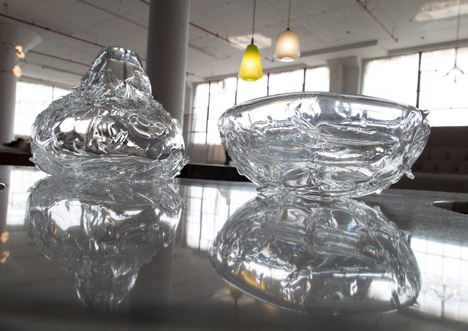
The living room also featured 2X glass bowls by Assembly Design. The local firm was established in 2012 by Pete Oyler, who studied art history and theory at Rhode Island School of Design (RISD), and Nora Mattingly, who studied interior design at Pratt.

1-1-Piero-Lissoni-Exhibition_dezeen_468_8

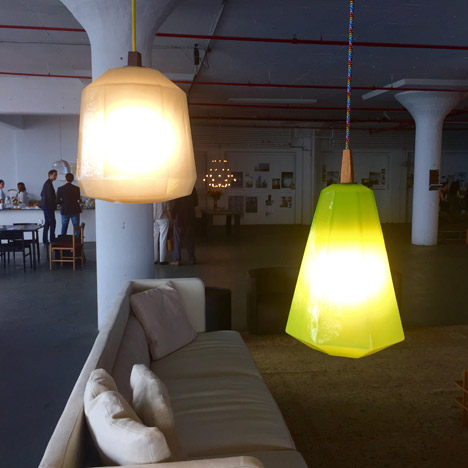
Colourful, blown-glass pendants by Token were hung in the same area. Started by designers Will Kavesh and Emrys Berkower, the Red Hook-based studio makes lighting and furniture. A lounge chair and sideboard by Token were also featured in the show.

1-1-Piero-Lissoni-Exhibition_dezeen_468_16

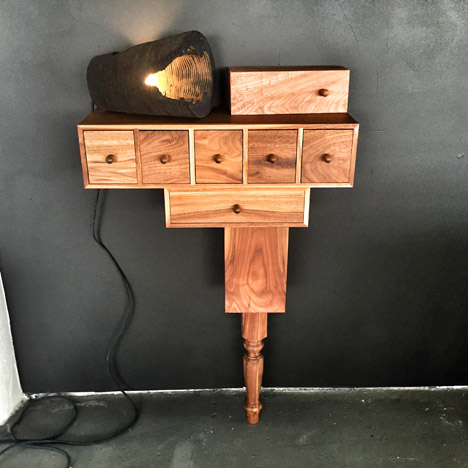
A felt lamp by Snarkitecture sat on a one-legged, wooden console designed by Pelle.

1-1-Piero-Lissoni-Exhibition_dezeen_468_17

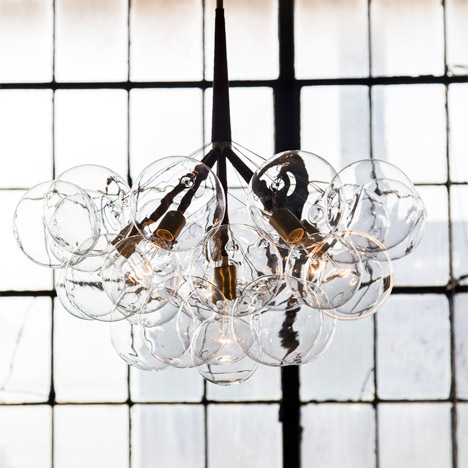
The dining area showcased Pelle’s Bubble chandelier.

1-1-Piero-Lissoni-Exhibition_dezeen_468_10

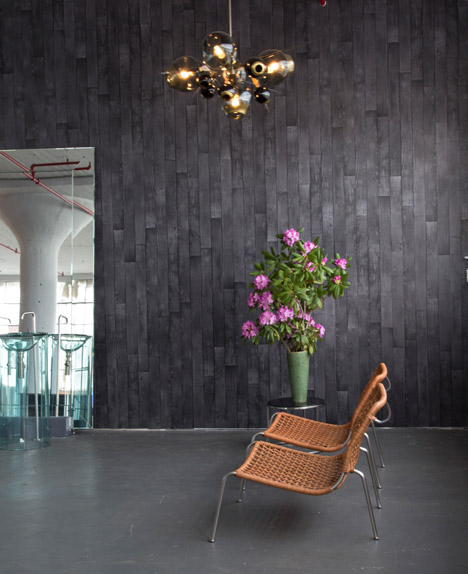
In the bathroom area, a key feature was the Burst chandelier by Lindsey Adelman, which hung over Frog chairs designed by Lissoni for Living Divani.


Related story: “There’s a huge burst of creativity” in New York says Lindsey Adelman


One wall was covered with Charred Cedar wallpaper by Flavor Paper.

1-1-Piero-Lissoni-Exhibition_dezeen_468_7

The Seed chandelier designed by Bec Brittain for Roll & Hill hung near the centre of the room.

1-1-Piero-Lissoni-Exhibition_dezeen_468_3

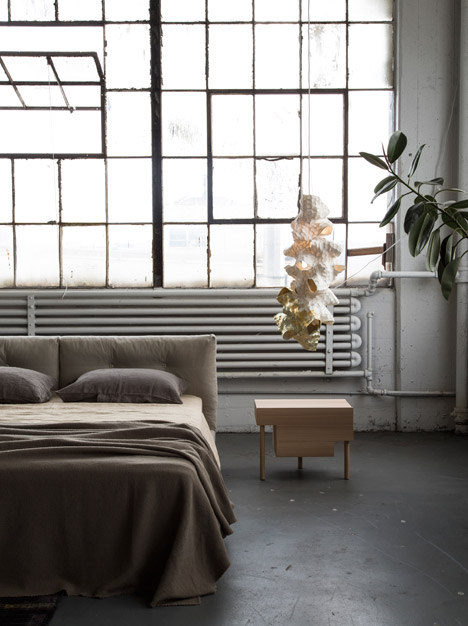
The bedroom area featured two pieces by Lissoni: a lacquered storage wardrobe for Porro and the Rod bed for Living Divani.

1-1-Piero-Lissoni-Exhibition_dezeen_468_6

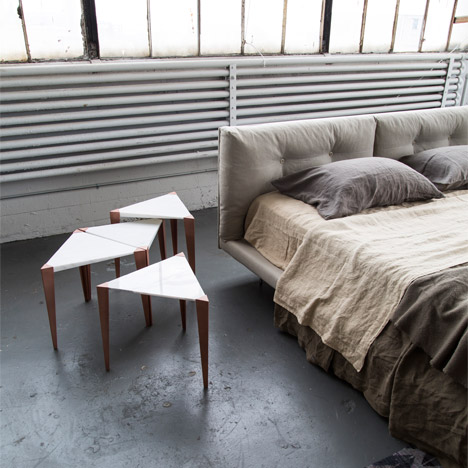
These furnishings were paired with bedside tables by Avandi — a Brooklyn-based studio that was started by Ariane van Dievoet, a Belgium-born designer who studied at RISD.

1-1-Piero-Lissoni-Exhibition_dezeen_468_5

The bedroom also included a Honeycomb pendant by Patrick Weder, a lighting and furniture designer in Brooklyn. A low bench designed by Weder was included elsewhere in the show.

1-1-Piero-Lissoni-Exhibition_dezeen_468_0

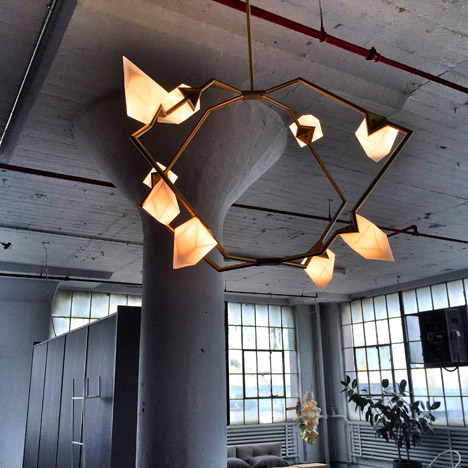
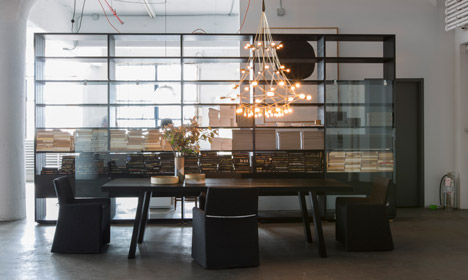
Lissoni’s Minimo dining table and System bookshelves were paired with the Stellar 56 chandelier by Townsend Design. Launched in 1998, Townsend is based in Long Island City, Queens.

Dezeen

Danish Designer Jacob Jensen Dies Aged 89

Danish industrial designer Jacob Jensen, best known for his work with audio product company Bang & Olufsen, has died aged 89 .

Jacob Jensen

Jensen, who died on 15 May, worked with Danish company Bang & Olufsen for over 25 years and is recognised as the creator of the brand’s minimal design language.

“His unique design has reached its international position because it combines and distils two main streams in 20th century design,” said a statement on Jensen’s website. “On the one hand, the idealistic European Bauhaus tradition, with its Minimalist ‘Less is More’, and its Modernist ‘Form follows Function’. On the other hand, Raymond Loewy’s consumer-oriented MAYA principle: ‘Most Advanced Yet Acceptable’.”

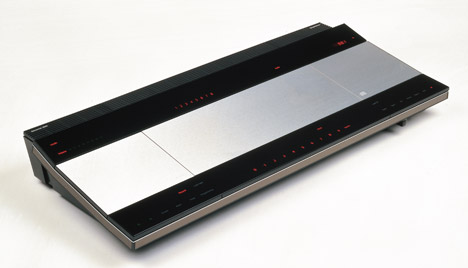
Bang and Olufsen Beocenter 9000 by Jacob Jensen Bang & Olufsen BeoCenter 9000

Born in Copenhagen in 1926, Jensen trained as an upholsterer and began making furniture in his father’s workshop.

He was accepted onto the furniture design course at Denmark’s School of Arts and Craft in 1948, and in 1952 became the first student to graduate from the school’s new Industrial Design program established by designer Jørn Utzon.

He began his industrial design career at Copenhagen studio Bernadotte & Bjørn – the first Danish industrial design studio – set up by Sigvard Bernadotte and Acton Bjørn. It was here that he designed the Margrethe Bowl, a melamine mixing bowl, that became his first commercial success and is still in production.

This was followed by a short stint in New York working with Raymond Loewy. He also spent some time in Chicago with industrial design firm Latham, Tyler & Jensen, for which he continued to manage business in Europe until 1975.

Classic Watch 510 by Jacob Jensen 510 Watch

Jensen set up his own studio, Jacob Jensen Design, in 1958, and began his long-standing relationship with Bang & Olufsen in 1965, after the audio company took a chance on a design he had originally created for General Electric’s electronics division.

He worked as a designer and strategist for Bang & Olufsen, relocating his studio in 1966 from Copenhagen to a waterside house designed by his former tutor, Jacob Hermann, in the village of Hejlskov to be closer to the company’s headquarters.


Related story: GamFratesi covers Milanese cloister with mirrors for Mindcraft exhibition of Danish design


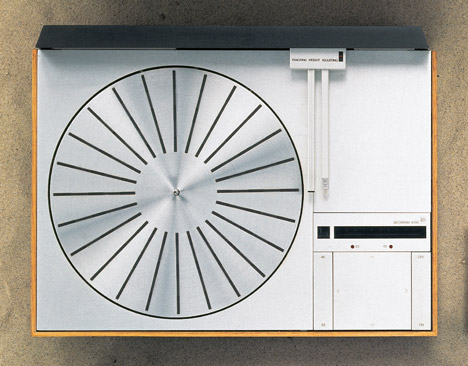
Jensen created more than 200 products for Bang & Olufsen, including a wide variety of turntables, radios and speakers carrying his trademark streamlined silver and black aesthetic, with flattened surfaces.

His work for the brand was presented as a solo exhibition at New York’s Museum of Modern Art (MoMA) in 1978. Titled Design for Sound, the exhibition included 28 audio products – many of which remained in the museum’s permanent collection.

BeoGram 4000 Record Deck by Jacob Jensen BeoGram 4000 Record Deck

He continued to mentor his successor, British designer David Lewis, through the 1990s.

“Jacob Jensen was one of Denmark’s strongest designers and has played an important part in our company history,” said Marie Kristine Schmidt, vice president of brand, design and marketing at Bang & Olufsen.

“He was a design thinker, that we had the privilege to work with creating some of the most iconic products in Bang & Olufsen history such as BeoGram 4000, BeoMaster 1900 and the first Bang & Olufsen headphones – U70,” she added. “We were sad to learn of his passing, and our thoughts are with his family and friends.”

Jensen’s studio is currently run by his son, Timothy Jacob Jensen, and continues to focus on industrial design.

Dezeen

Stephenson Studio Completes A Mondrian-inspired Home For A Remote Site On The Welsh Coastline

This family home nestled against the remnants of an ancient stone cottage on the Welsh coast features a composition inspired by the client’s interest in abstract art .

Cefn Castell by Stephenson Studio

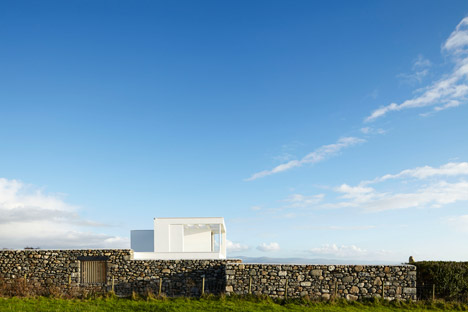
Cefn Castell is a three-bedroom property designed by Manchester-based architecture practice Stephenson Studio on the west coast of Wales, overlooking Cardigan Bay – an inlet from the Irish Sea.

Cefn Castell by Stephenson Studio

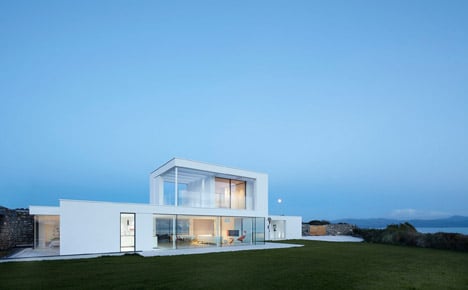
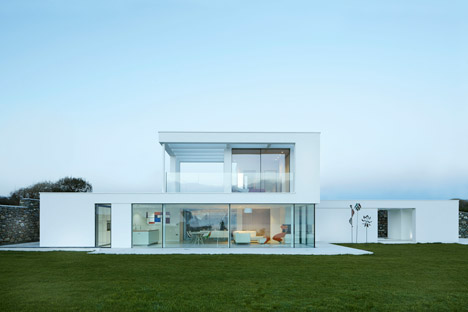
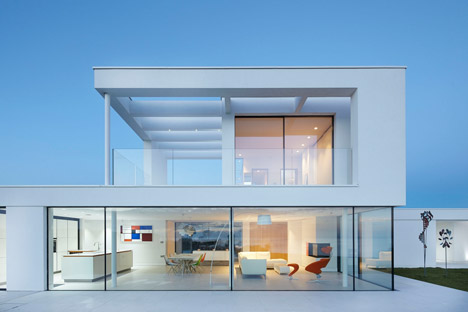
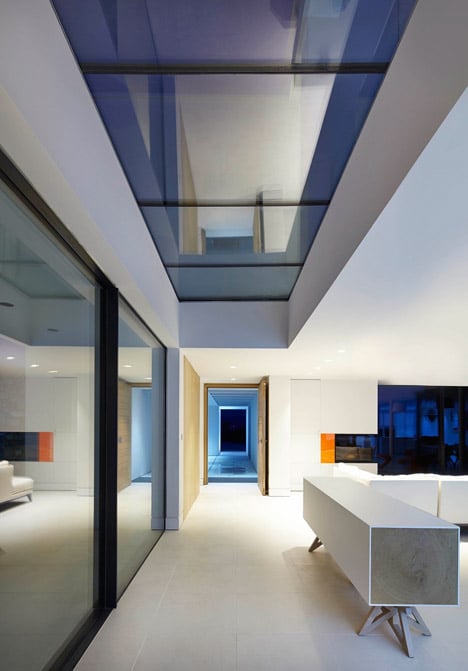
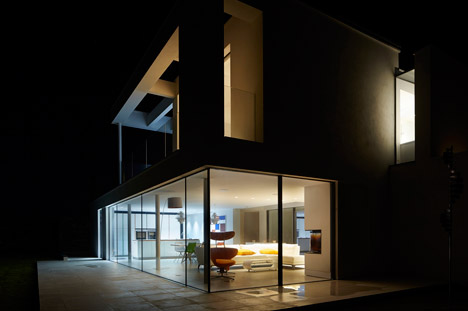
The design of the house takes its cues from the client’s love of the linear patterns and block colours present in abstract art. Large expanses of transparent glass that maximise sea views are framed by sections of pristine white wall, defining the house into a series of boxes that mirror the regimented floor plan.

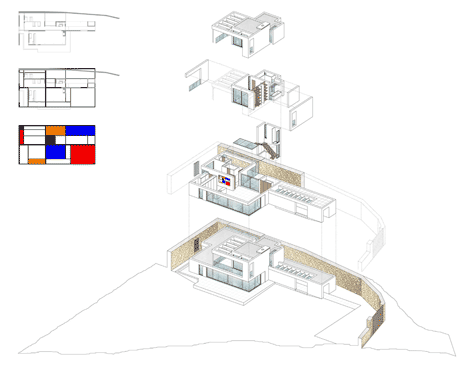
A primary-coloured Mondrian-styled painting that hangs on the wall of the living room is actually a simplified version of the building’s plan and outlines its grid-like organisation.

Cefn Castell by Stephenson Studio

“The clients’ passion for art and sculpture was to be referred to in the design,” explained the architects. “The house plan is abstracted as a Mondrian-inspired painting, which is hung at the heart of the house.”

Cefn Castell by Stephenson Studio

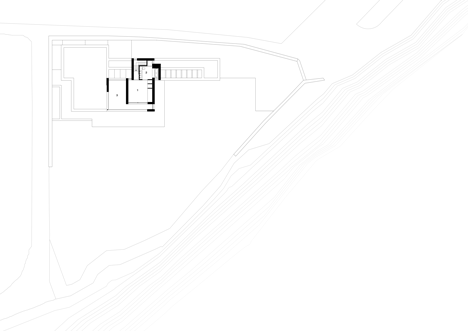
A small upper storey containing a master bedroom and balcony perches on top of the ground floor like an observation tower.

Cefn Castell by Stephenson Studio

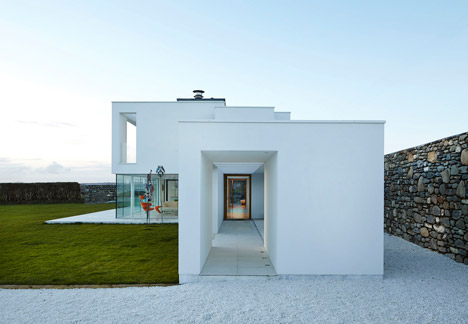
“The extrusion of the first floor references the maritime theme of coastal observation stations, whilst massing up the approach view of the house set within its own private walled courtyard,” said the architects.


Related story: Welsh seaside home by Hyde + Hyde sits on the edge of a cliff


Cefn Castell by Stephenson Studio

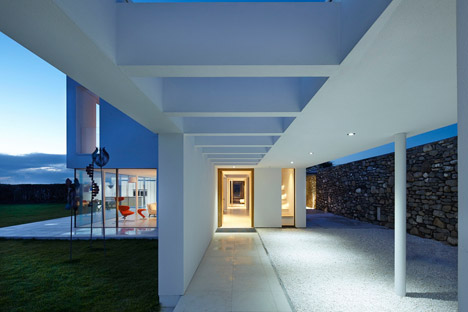
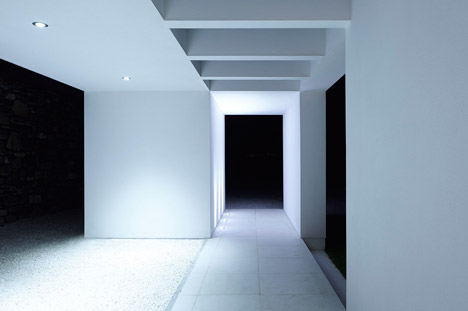
At the rear of the property, a long outdoor walkway runs along a stone wall that is part of the ruins of a cottage that once stood on the site. Outdoor utility spaces including bin storage are located under a portico-like structure that brackets this pathway.

Cefn Castell by Stephenson Studio

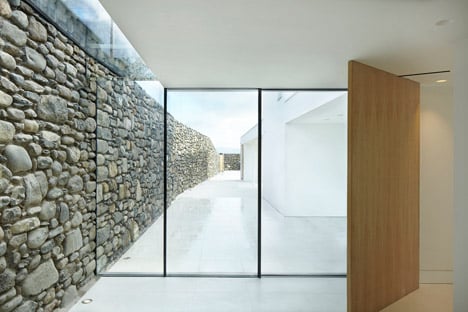
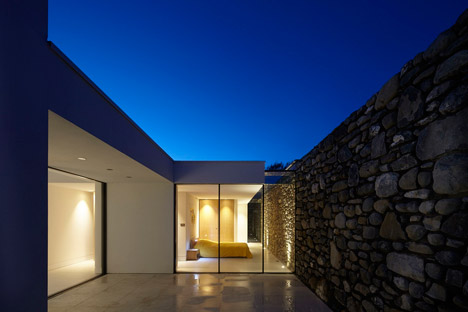
The stone wall extends out on either side of the new property, providing a perimeter wall and sheltering a patio by a glazed ground-floor bedroom at the rear. A sliver of glass runs along the roof of this bedroom, separating the new build from the ruins.

Cefn Castell by Stephenson Studio

“The stone remains of a 400-year-old cottage were re-used for the new boundary wall, offering privacy and textural contrast of the traditional juxtaposing the new,” said the design team.

Cefn Castell by Stephenson Studio

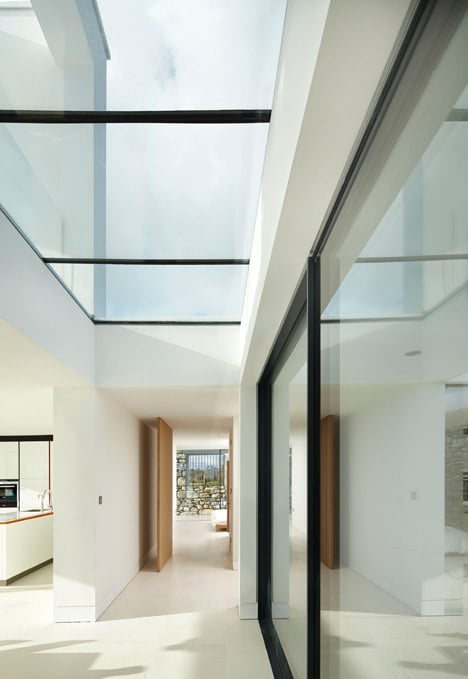
“The new house separates from the wall with a glass slot roof, visually suggesting the house delicately ‘kisses’ the wall,” the team added.

“The new house is a defining and epoch-making change to what existed previously. Elevations are about framing, layering of materials, and solid and void.”

Cefn Castell by Stephenson Studio

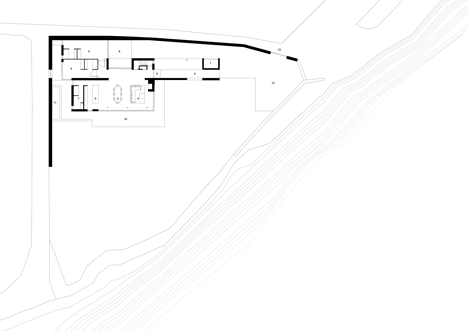
A combined living room, kitchen and dining area occupies the front of the ground floor, nearest the sea. Two ground-floor bedrooms and a utility room can be separated from this open-plan space by pivoting wooden doors.

Cefn Castell by Stephenson Studio

Floor-to-ceiling glazing slides back from the neutral-toned space onto a pale grey terrace in front of the property, and to the more secluded terrace to the rear.

Cefn Castell by Stephenson Studio

A sliding glass screen opens to the external secluded courtyard into the plan of the living spaces. Two bedrooms have been arranged to provide closure of the plan to the private inner courtyard.

Photography is by Andrew Wall.

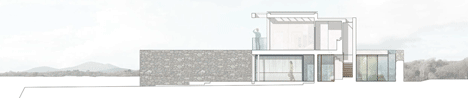
Cefn-Castell-by-Stephenson-Studio_dezeen_1Exploded axonometric diagram Cefn-Castell-by-Stephenson-Studio_dezeen_2Ground floor plan Cefn-Castell-by-Stephenson-Studio_dezeen_3First floor plan Cefn-Castell-by-Stephenson-Studio_dezeen_4Section one Cefn-Castell-by-Stephenson-Studio_dezeen_5Section two Dezeen

Latest Ideas!