Future Architecture Will Be Built From Energy Says Researcher Sean Lally

Istanbul Design Biennial 2014: buildings of the future won’t have walls and will instead consist of climate-controlled areas of landscape according to Sean Lally, one of the contributing designers at the Istanbul Design Biennial 2014 .

Chicago-based Sean Lally leads a team of architects, landscape architects, engineers and researchers, known as Weathers, who are investigating how different forms of energy can be harnessed to create a type of sustainable architecture.
New Energy Landscapes by Sean Lally

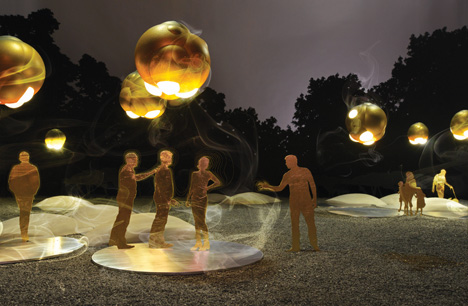
New Energy Landscapes, the project Lally is presenting at the biennial, proposes a future scenario where energy and heating don’t fill a building envelope, but instead become the envelope.


Related story: The city of the future “will be both physical and digital”


“The greatest challenge facing architecture and our broader society today is the need for advancements in harnessing energy,” said Lally, who has spent eight years researching the technologies.
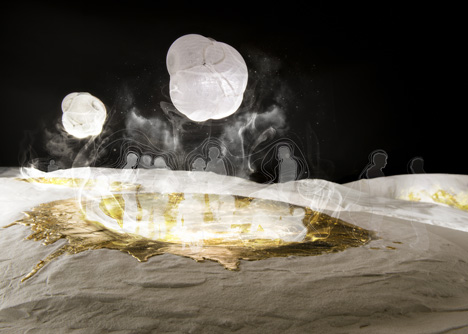
New Energy Landscapes by Sean Lally

“Rather than continue to focus on maximising efficiency for [energy’s] conservation and consumption, we must provide an architecture with lifestyles for the future that give us new worlds to strive for and realise,” he said.

Lally’s research encompasses energy and material technologies, including electromagnetic, thermodynamic, acoustic and chemical power.

The images shown were created from photographs of physical models that the team has built. They show images of mysterious floating energy sources, hovering above defined floor surfaces.

New Energy Landscapes by Sean Lally

The designer says this new form of architecture without walls will fundamentally change the ways humans interact with each other and their environments.

“Without this fundamental rethinking between architecture and energy, both will remain to be seen as distinct; architecture as a building of walls and energy as a fuel for filling it,” he said.

New Energy Landscapes by Sean Lally

“Instead, architecture is at a unique and adventurous stage for questioning and reinforming our definitions of architecture, and the environments and lifestyles they foster.”

Lally has compiled his findings into a book entitled The Air from Other Planets.

He presents New Energy Landscapes at the second Istanbul Design Biennial, which is curated by Zoë Ryan under the theme The Future Is Not What It Used to Be, opened to the public on Saturday and runs until 14 December.
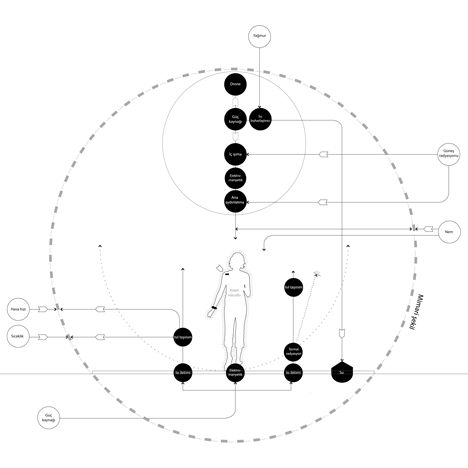
New Energy Landscapes by Sean LallyEnergy shape diagram
Dezeen

Physically Bring Your Architecture Projects To Life: Arckit By Damien Murtagh

architecture modern kit Physically Bring Your Architecture Projects to Life: Arckit by Damien Murtagh

Irish Architect Damien Murtagh took the idea of creativity in architecture to another level when designing Arckit, an ingenious kit that enables everyone to physically bring their ideas to life. Three years in the making, Arckit is a revolutionary freeform Scaled Architectural Model Making Kit based on a real modular housing system that Damien devised. It is a groundbreaking miniaturized version that Architects, Interior Designers, students of architecture and interiors, set designers, model makers and even individuals with their own grand designs can now use to materialize their thoughts in real model format. Have a look at the video below for a better understanding of the project:

The playful and sophisticated “Lego” upgrade requires no measuring, gluing, cutting or sticking. Moreover, Arkit’s patented panel by panel system adheres very much to today’s form of construction. “As designers, when making models, we have always glued materials together that could only ever be used once. Arckit is a zero glue product that can be assembled, dismantled, altered and extended continuously. In addition to the parts, each kit will come with  printable adhesive paper and within our website we will have a materials library where you can go to print off lots of images of materials like bricks, stones, wallpaper patterns etc. Therefore the structure’s visual appearance can change both internally and externally”. Arckit will be available to buy at hobby stores and from the Arckit website from mid November with price points ranging between £60 and £180. [Photos and information provided via e-mail by Arckit ]

design modern kit Physically Bring Your Architecture Projects to Life: Arckit by Damien Murtagh modern kit 1 Physically Bring Your Architecture Projects to Life: Arckit by Damien Murtagh modern kit 2 Physically Bring Your Architecture Projects to Life: Arckit by Damien Murtagh modern kit 4 Physically Bring Your Architecture Projects to Life: Arckit by Damien Murtagh

    • architecture modern kit
    • design modern kit
    • modern kit (1)
    • modern kit (2)
    • modern kit (4)
    Recommended For You
    Cartoony Architecture: Life-Sized Replica of Pixar’s UP House for Sale ! [Video] Cartoony Architecture: Life-Sized Replica of Pixar’s UP House for Sale ! [Video]
    Top 100 of the Most Viewed Architectures of 2007 Top 100 of the Most Viewed Architectures of 2007
    Two Hundred Tons Of Paint Bring New Look To Soviet Pipe Plant [Time Lapse Video] Two Hundred Tons Of Paint Bring New Look To Soviet Pipe Plant [Time Lapse Video]
    Miniature Homes Creatively Attatched to Lighting Designs: House-Lamp [Video] Miniature Homes Creatively Attatched to Lighting Designs: House-Lamp [Video]
    Architecture Pocket Guide for iPhone Released Architecture Pocket Guide for iPhone Released
    The Log House: Music and Architecture Combined The Log House: Music and Architecture Combined
    • Want more stuff like this?

      We’re on a mission to spread inspiring content far and wide.
      Try our daily email and see for yourself!

    By Lavinia in Architecture

    Tags:
    Architecture Kit

    0 comments

    10 Color Theory Basics Everyone Should Know

    10 Things Every Buyer Should Know About Home Inspections

    10 Questions To Ask Yourself Before Starting In The Home Buying Process

    10 Things You Should Know About Becoming An Interior Designer

    The 10 Most Common Causes of Roof Leaks

    Why Our Brains Love Symmetry in Design

    Playful Approach to Modern Living in Taiwan: The Family Playground by House Design

    40 Small Bedrooms Ideas To Make Your Home Look Bigger

    Modern Home Aiming at Converting Traditionalists by David Small Design

    30 Small and Functional Bathroom Design Ideas For Cozy Homes

    10 Best Free Online Virtual Room Programs and Tools

    40 Small Bedrooms Ideas To Make Your Home Look Bigger

    10 Things You Should Know Before Painting A Room

    30 Small and Functional Bathroom Design Ideas For Cozy Homes

    Luxurious Modern Interior Scheme Uncovered by The Appealathon House in Australia

    10 Best Free Online Virtual Room Programs and Tools

    40 Small Bedrooms Ideas To Make Your Home Look Bigger

    30 Small and Functional Bathroom Design Ideas For Cozy Homes

    10 Best Free Online Virtual Room Programs and Tools

    10 Mistakes That (Almost) Everyone Makes in Interior Design

    30 Best Small Apartment Designs Ideas Ever Presented on Freshome

    Freshome.com – Interior Design & Architecture Magazine

Nantes House Extension Contrasts Blackened Wood Facades With Pale Window Frames

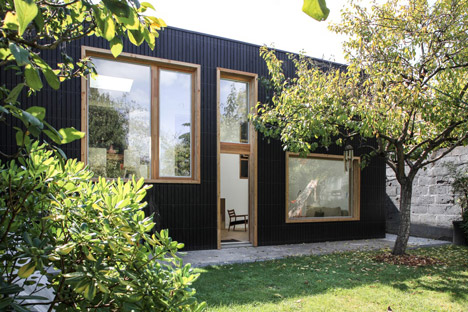
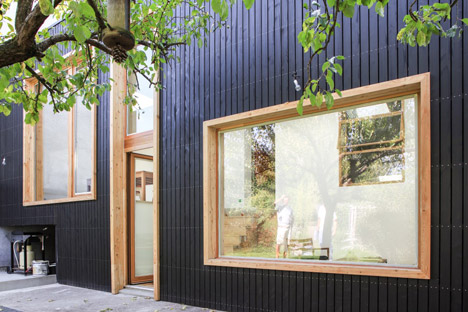
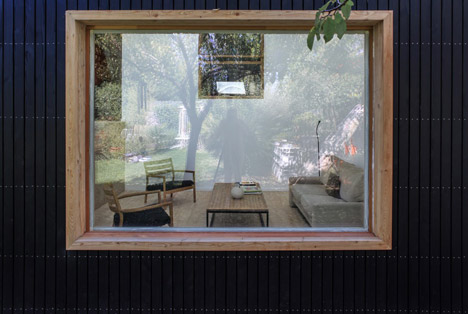
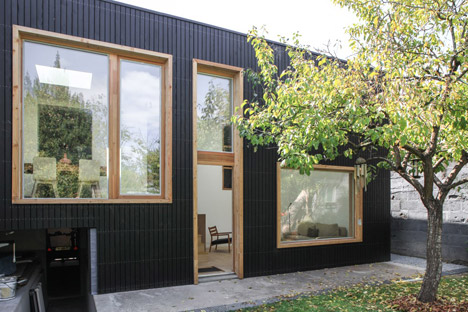
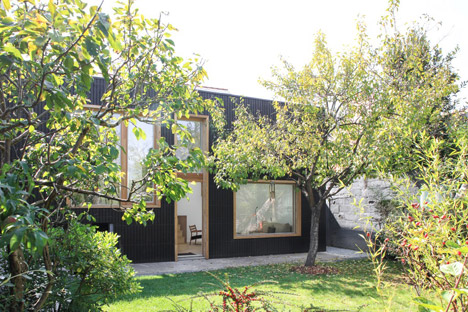
Pale wooden window frames contrast with the black-stained cedar facades of this extension to a detached house in Nantes by French studio Bertin Bichet Architectes .

The client asked Bertin Bichet Architectes to create a 30-square-metre addition to the French property that would improve the connection between the interior and the garden at the rear.


Related story: Atelier 100architecture slots contemporary house into French medieval city centre


Acajou by Bertin Bichet Architectes

Taking their cues from the clients’ fondness for Scandinavian buildings, architects Marjolaine Bichet and Anne Laure Bertin designed a simple structure combining wooden walls with large windows, to make the most of the weak northern light.

“My clients wants a new living space more attuned to their garden,” Bichet told Dezeen.

Acajou by Bertin Bichet Architectes

The project is titled Acajou, after a type of wood that gives its name to a warm reddish brown colour, similar to the exposed cedar window frames.

Acajou by Bertin Bichet Architectes

The architects employed a timber-frame construction method. They chose to clad the extension with cedar boards to help it merge with its garden environs, but stained the walls black to create contrast with the adjacent greenery.

Acajou by Bertin Bichet Architectes

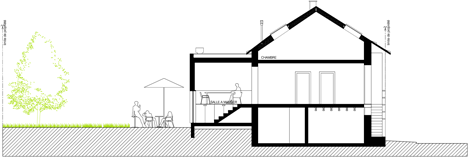
The layout of the original property is typical of the “maison nantaise” houses that are found throughout the city, with a garage facing onto the street and living areas above. Bedrooms are accommodated on the upper level beneath the pitched roof.

Acajou by Bertin Bichet Architectes

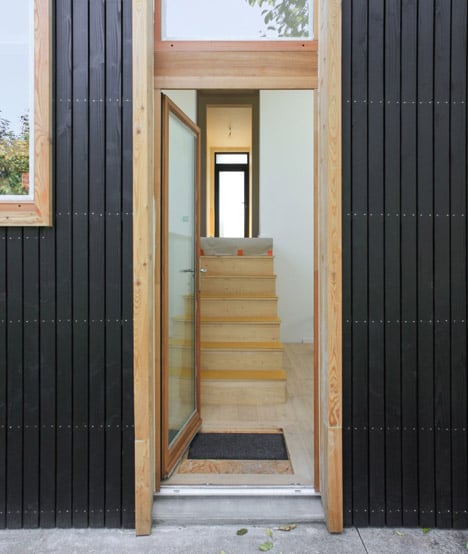
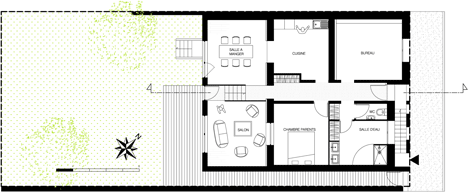
The architects introduced a passageway that bisects the house, connecting the extension at the rear to the front door at the top of a set of stairs that ascend from the street.

“The design was about creating different spaces with different levels,” explained Bichet.

Acajou by Bertin Bichet Architectes

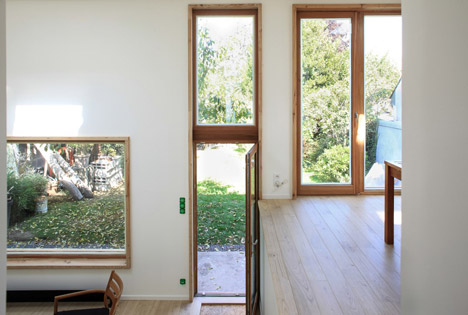
Windows scattered across the end wall of the extension fill the new living areas with natural light and offer views out to the garden.

“The openings are frames, looking at remarkable elements of the garden – a stone wall, a fruit tree,” said Bichet.

Acajou by Bertin Bichet Architectes

A narrow window above the glazed door opens onto the garden, creating a full-height opening that enables a view straight through from the entrance.

Acajou by Bertin Bichet Architectes

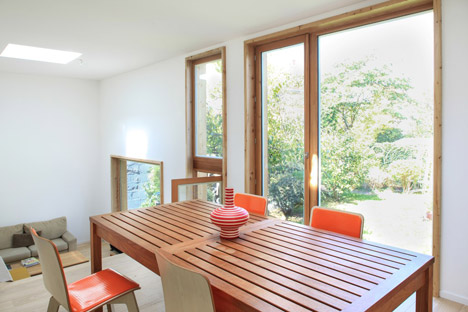
The central corridor passes an existing study, bathroom, master bedroom and kitchen, and is connected to a new dining room at the same level.

Acajou by Bertin Bichet Architectes

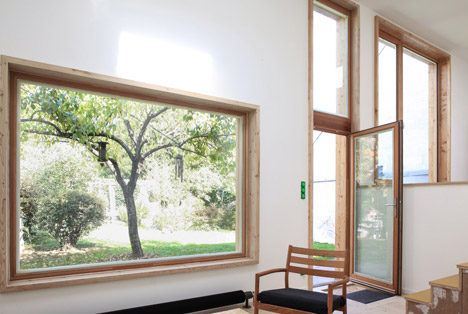
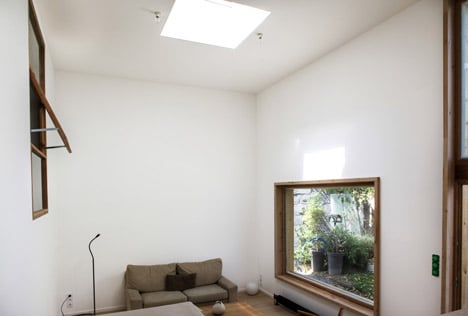
As the corridor emerges into the extension, it culminates in a staircase that descends to a double-height living area with a large picture window on one wall and an elevated window connected to the master bedroom next door.

Acajou by Bertin Bichet Architectes

Skylights above the living room and dining space add to the bright interior and allow residents to look up at the sky.

Acajou by Bertin Bichet Architectes

Chestnut parquet was used throughout the interior to continue the natural detailing.

Acajou by Bertin Bichet ArchitectesFloor plan Acajou by Bertin Bichet ArchitectesSection
Dezeen

Must Followed Tips Interior Planning To Beautify Your Surroundings

: Residential Interior Design

Interior planning design is a relatively frightening concept or design for many people because of the style and the possibilities. Use the tips that discussed below to design your home to look great. With these usefule tips, you will have a better idea on how you must start to work on your interior design to beautify your surroundings.

You should consider the important function of a room in your house before you start to decorate it. For example, when you decorate your child’s room, apply vibrant colours that match the characteristics of the children who will use the room. Using particular items that have multi purposes could assist you maximize your small space room. Too much furniture and accessories often causes your rooms to look smaller. A better interior planning option is to place only a few appropriate pieces of furniture and accessories with clean lines. This idea will free up your surroundings and beautify your room.

A kitchen look redesign is can be conducted by replacing some old cabinet doors away. You can add some accent pieces in the glass cabinets to show its visual appeal. As discussed earlier, interior planning is not easy job. However, when there is adequate information available, you should not fear to make this design projects. Use the tips above so you can succeeded to beautify your surroundings.

: Interior Design Ideas Perfection

: Apartment Interior Design Ideas For Living Rooms

: Concept Of Modern Furniture Design Interior Planning Design

Gallery of Must Followed Tips Interior Planning To Beautify Your Surroundings

Tagged: interior planning design, Design

Howlerband.com

Daniel Becker Design Studio Creates Furniture From Transportation Pallets

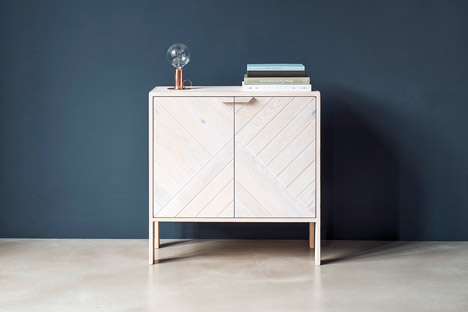
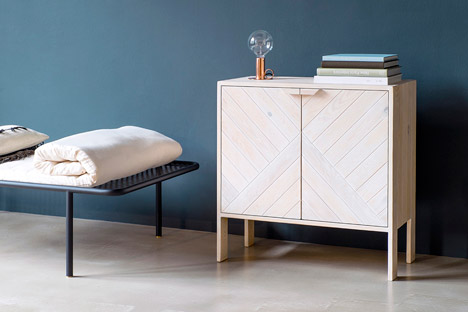
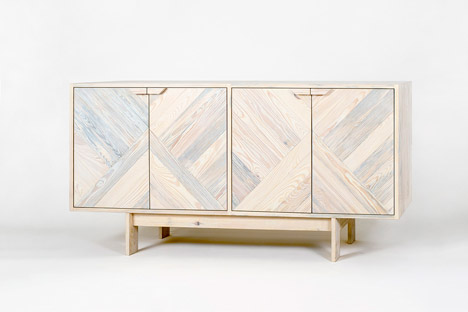
Berlin-based Daniel Becker has designed this wooden cabinet for new German startup Kimidori, which makes products exclusively from used industrial pallets .

45 Series for Kimidori by Daniel Becker Design Studio

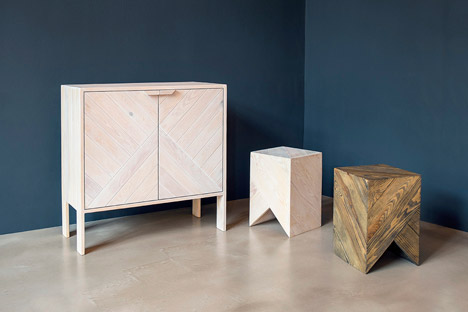
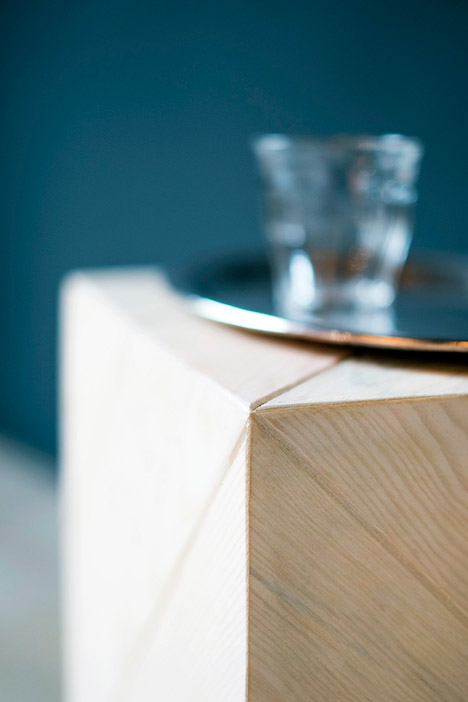
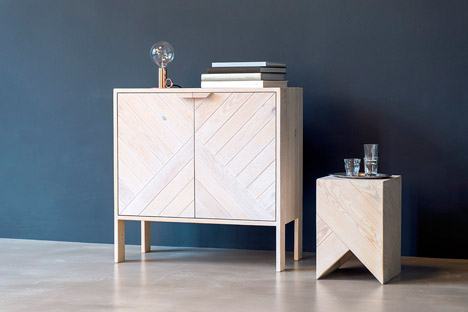
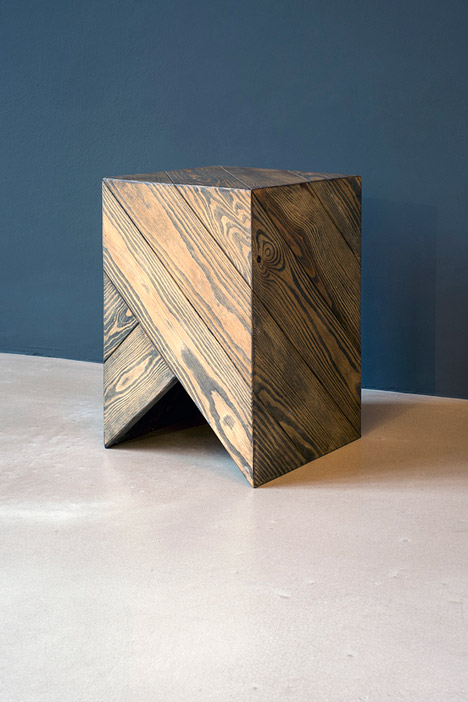
Daniel Becker’s 45 Series collection includes a stool and a cabinet, both made from the flat wooden structures used to support goods moved with a forklift truck.


Related story: Berlin stove tiles by Daniel Becker Design Studio


Aiming to move away from the up-cycled aesthetic, he decided not to use the pallets whole and instead work with wooden boards taken from the disassembled transport structures to achieve more conventional forms.

45 Series for Kimidori by Daniel Becker Design Studio

“This is a fairly different approach to what is available on the market so far,” said Daniel Becker. “We wanted to offer an alternative for people who are open to the concept of recycling but do not want the distinctive, rough look such products often have.”

45 Series for Kimidori by Daniel Becker Design Studio

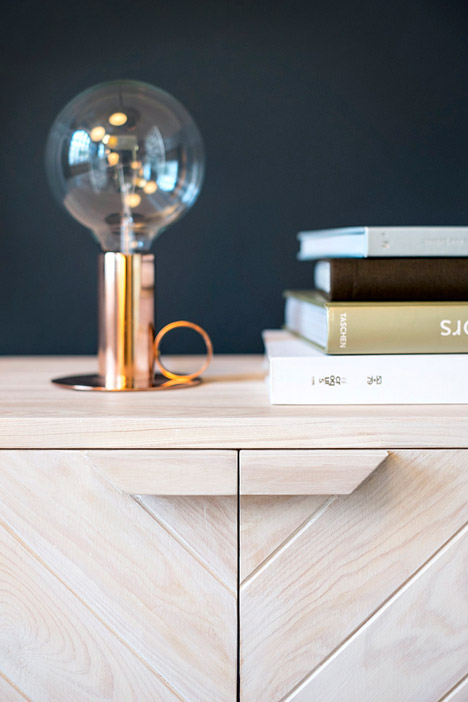
The pallets are taken apart, planed and sanded. The resulting planks are then glued together to make boards, which are arranged into geometric patterns and cut to shape.

45 Series for Kimidori by Daniel Becker Design Studio

“This is all traditional carpentry, so the idea is to use simple, inexpensive technology and craftsmanship and a simple material to create interesting, sustainable pieces with a unique character that are affordable for everybody,” Becker told Dezeen.

45 Series for Kimidori by Daniel Becker Design Studio

Despite Becker’s approach, the boards do show signs of wear due to the way pallets are handled during their first incarnation. Marks are often deeply ingrained into the wood and are therefore still visible after grinding.

45 Series for Kimidori by Daniel Becker Design Studio

“We decided to emphasise and present these signs of use and the characteristic grain of the pine wood by arranging the boards in geometric patterns of 45 and 90 degrees to each other,” said the designer.

45 Series for Kimidori by Daniel Becker Design Studio

“The inspiration for these patterns originated in the observation of how wooden houses, doors and panelling have been decorated in northern and eastern Europe for centuries. These elements are exposed to the elements outdoors and become more vivid over time, which seemed to us a warm and positive example of the ageing process of timber.”

45 Series for Kimidori by Daniel Becker Design Studio

Daniel Becker’s previous projects include a collection of wall lamps based on the patterns of crystalline structures and a set of ceramic tiles that enable stoves to give off more heat.

Dezeen

Latest Ideas!