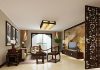
2017 – 2018 new tv wall unit models. New tv wall panel
The system tao10 is a new proposal which exalts the aesthetical, functional and up-to-date contents of tao day from which it derives.
New Tv wall unit2017 – 2018 new tv wall unit models
This living area results from the combination of Euromobil’s three living area collections: E45 cabinets, Cubodieci open wall units, Horizon boiserie. Photo: E45 flint, misty and optic white matt lacquered, Cubodieci and Horizon in termocotto oak. Zenit sofa by Désirée.
2017 – 2018 new tv wall unit models2017 – 2018 new tv wall unit models
Streamlined geometrical shapes characterize the E45 cabinets: base units and wall units to place anywhere on the wall, exalted by the exclusive textured wood veneer and refined lacquer finishes. Photo: E45 dove grey graff oak, optic white and flint matt lacquered. Cloè easy chair by Désirée.
2017 – 2018 new tv wall unit models2017 – 2018 new tv wall unit models2017 – 2018 new tv wall unit models2017 – 2018 new tv wall unit models
If five people were to hear the words, “zen décor,” they would probably visualize five distinctly different spaces. This is because, although “Zen” originates from Japan as a type of Buddhism that emphasizes the value of meditation and intuition. While some people still maintain this concept of zen, zen can also mean something else to other people.
For some people, zen décor is all about clear, empty or open spaces. In these cases, the zen interior would likely have hidden storage and very little, if any, extraneous decoration. Clutter would, of course, be completely absent. For other people, a zen aesthetic is simply a nature-loving space that involves natural materials and earthy tones that combine to create serenity and relaxation. Still others believe that zen interiors cannot exist without either a traditional or contemporary Japanese touch.
Recognizing the broad spectrum that is the internalization of zen décor, this article will present a variety of ideas on how to incorporate components of zen décor into a modern space. Ultimately, the idea is to help you create a space that is calming and grounded, renewing and balanced, without looking cliché or formal. Here are some strategies for zen decorating; feel free to use as few or as many as you want in your space.
00:00 / 00:00
Clean, straight lines.
Because of the emphasis on simplicity in zen décor, this idea isn’t surprising. Lots of lines and curves and patterns lead to visual busy-ness, whereas keeping silhouettes and lines straightforward lends itself to a sense of aesthetic calm. Traditional Japanese interiors embrace minimalistic lines, and the concept works seamlessly with contemporary design.
Hidden or built-in storage.
Because zen décor is all about maintaining visual clarity and simplicity, it makes sense that built-in or hidden storage would be a part of this. Rather than having a bookshelf full of boxes and baskets, for example, stored items are beautifully integrated into the design of the space overall. Where the storage is concealed or is part of the clean-lined architecture itself, a clutter-free zen space is more easily achieved.
Free of clutter.
While storage is either concealed or integrated into the space’s design seamlessly, objects that are viewed as clutter are removed entirely. Stacks of magazines, mail, even decorative collections are practically nonexistent in zen décor. Instead, the horizontal surfaces are somewhere in the spectrum of well-edited to completely cleared off.
Clutter plays no role in the zen aesthetic, but simplicity does. Clutter can impede the capacity for relaxation, which is the opposite of the goal for zen décor. Of course, we still need “stuff” in our lives; it just needs to be organized and stored in such a way as to promote organization and clarity.
When decorative ornaments are minimally displayed, they are able to be more noticed and appreciated. A single piece of art on the wall, for example, will serve a zen space much better than a gallery of artwork. On a table or other horizontal surfaces, don’t hesitate to clear them completely, then add back only those pieces that are your favorites. (This lovely orange coffee table has zen potential but could actually be edited down even more.)
Soft and natural lighting options.
The most relaxing spaces seem to be those ripe with natural light or those with a cozier, more intimate lighting atmosphere. For this reason, fluorescent and/or harsh lighting doesn’t gel well with zen décor. It’s helpful to incorporate a variety of lighting options into the space for maximum control – perhaps some wall sconces with a floor lamp, or dimmable overhead lighting.
Natural, unfussy materials.
Zen spaces are beautiful in large part because of the abundance of natural materials used in the décor. Bamboo and wood are popular options for zen interiors, what with the organic flow of the grain and the earth-centered coloring.
Rustic décor has become connected with raw, unfinished, almost industrial-looking distressed wood, but this isn’t always accurate. Rustic décor and zen décor actually can work beautifully together, as they both embrace the beauty that is nature in their (often non-traditional) use of organic materials.
Gorgeous greenery.
Inherently, plants and greenery are soothing to people, both because of their green color (which is associated with calming effects) as well as their oxygen production. Even the smallest plant in a nondescript neutral pot has an immense effect on the peacefulness of a room.
While fresh cut flowers in a vase are always a beautiful touch in an interior space, a zen space tends to lean more toward actual living greenery than cut floral. If that plant flowers, then consider that a bonus to your color-loving life.
Subtle, simple quality.
Zen décor shies away from decoration with bling or extra glamour; rather, it leans toward those pieces that represent quality and long-lasting peace. There is definitely an unspoken connection to the natural world in this aspect. Zen décor doesn’t call out for attention, neither does it try too hard to impress. It simply exists in its beautiful, pared down, clean-lined state.
Muted earth tones.
Colors that exist in abundance in nature are among those optimal choices for a zen interior. These colors tend to be muted, or visually low impact. If there is some type of pattern within the color, it tends to be very subtle and minimal (think: wood grain).
Common natural colors used in zen décor are softened up versions of white, cream, tan, and grey. It’s important to find a harmonious balance in the space when multiple colors are used. In a monochromatic zen room, be sure to incorporate variations of the hue as well as textural differences.
Softness underfoot.
Whether it’s in the floor covering itself (rugs) or simply places where your feet might eventually end up (ottomans), softness underfoot is always a desirable zen characteristic. It creates comfort and relaxation. Rugs bring in the most zen feel when they are made of natural fibers and either match the floor or maintain an easy neutrality (e.g., grey, khaki, cream).
Balance.
It’s a cornerstone of good design everywhere, but particularly in zen décor, balance is critical. We sense, whether subconsciously or consciously, aesthetic imbalance, and the effect is off-putting. Weight your pieces visually and make sure each component either helps to balance another part or has an alternate balancing part for itself.
Calm and relaxation.
The zen décor overall should evoke a significant sense of calm and relaxation. In a modern way, though, this doesn’t have to be sea breeze blue and white or anything cookie-cutter like that. You can even achieve this zen serenity with a warmer color palette (usually reserved for higher energy spaces) by keeping the colors richly saturated, color blocked, and deep.
Simplistic furniture.
The philosophy is certainly quality over quantity in a zen interior, and that is often best showcased with the furnishings. Remember that we’re after clean, straight lines, natural materials, and comfort. Furniture needn’t be flashy; in fact, it shouldn’t be in zen décor. A leather armless settee, for example, is the perfect thing for a small living room.
As we’ve discussed, the furnishings of a zen styled space tend to have clean, crisp lines and not a lot of (or any) excess detailing. Furniture that is made of natural materials tends to work best, although there are some clean-lined contemporary pieces made out of modern materials that could work well, too. Platform and waterfall designs are common (and beautiful) in zen décor.
Indoor-outdoor connection.
With its love of all things natural, zen décor of course thrives in a setting where the line between indoors and outdoors is blurred. While not every space can incorporate a large glass door leading to a stocked glass greenhouse or gorgeous garden view, this concept can be introduced artificially with good effect. A tree motif on the wall, for example, makes this cozy bedroom feel organically minded.
Eliminate electronics.
With all the positive, natural energy flowing throughout a zen interior, very few things are as abrasive to that positivity as electronics. Find ways to cover or camouflage the television, or eliminate it altogether. The same is true for wires and cables and cords; even your phone charger should be tucked away or designed to be part of the space itself for a truly soothing zen space.
Natural, light fabrics.
It’s easy to incorporate wood and other natural materials into a space, but fabrics that lend themselves seamlessly to zen décor might feel a little more challenging. The trick is to opt for natural fabrics (e.g., cotton, wool, linen) that are light and neutral in color, perhaps with a little natural texture or weave.
Reduced color palette.
Even if you love color (many of us do!), it might not be wise to throw that color-love into your space with an unrestrained hand. Choose for visually quieter versions of your favorite hue for a calmer and more serene zen atmosphere overall. And be sure to incorporate plenty of neutrals and nature-inspired water and earth tones.
The showers that have black frames have a very distinctive look. They are defined by clean lines and a certain level of industrial beauty combined with modern simplicity. Black frame showers are pretty unique in this sense. They can be integrated in a variety of different types of decors.
A black frame shower can be a main feature in a guest bathroom. In this particular example, the shower’s frame matches the frame of the wall mirror and that of the painting displayed on the wall. This way the décor becomes cohesive. What’s lovely here is the fact that the black elements are complemented by a white backdrop.{found on Maxwell and company}.
A similar type of cohesion is featured here where the shower enclosure is closed off with a glass and metal wall and a door that perfectly completes the grid. The sink vanity has the same type of graphical design, featuring a thin black supporting frame.{found on diespeker}.
00:00 / 00:00
In a lot of ways, the walls and door of this bathroom look a lot like Japanese shoji screens. The emphasis is on the grid pattern and the contrast between the black frame and the glass panels, as well as the white tiles and furniture.
Although the contrast between black and white or between a black frame and the glass panels that complete its design is often very elegant, crisp and modern, other design ideas can be just as satisfying. For example, it would be nice to add a little bit of warmth to the space and wooden floors are just what we have in mind.
It is, of course, more practical to have tiles on the bathroom floor and the wood accents can come in the form of a wooden vanity, a shelf or even a ceiling.
The black frame shower stands out from the rest of this bathroom’s décor by bringing in a very clean and graphical form while everything else is more focused on warm tones and materials such as brown tones and wooden features.
This bathroom is really well organized, featuring a large shower enclosure with a black frame and tempered glass panels and a tiled floor while the rest of the space has wood on the floor and brightly-colored furniture and accessories.{found on rnarchitect}.
The beauty of this small bathroom stands in its simplicity. The black frame of the walk in shower matches the frame around the large wall mirror as well as the hardware and fixtures that complete the décor.
Once again, the black frames that complement the glass shower panels match the hardware and fixtures and the result is a clean and elegant contrast and an interesting play of dark and light tones.
Sometimes even when the contrasts of colors are strong, they become less striking when the colors and materials are more diverse. This spacious bathroom is a wonderful example. It features a green living wall and a wooden floor.
Cohesiveness is important, especially when you want the ambiance in a space to be comfortable and inviting. The cohesiveness here is given by the coordinating elements such as the shower frame, the cabinet hardware, light fixture, faucet and others.
This shower only has a partial frame which wraps around two sides of the glass panel, those that are adjacent to the wall and to the floor. They match the frame around the mirror and they serve as accent details for the bathroom’s décor.
This black-framed shower enclosure is special compared to everything described so far. Its uniqueness comes from the fact that the panel is frosted glass and offers a certain level of privacy in addition to having a more bohemian look.
Window-like shower frames such as this one are appreciated for their industrial and rustic charm. They have a very specific look which can be combined with a variety of different styles, color palettes and influences.
The black frame, in this case, helps define the shower area. It coordinates well with the wall mirror and it adds a touch of elegant simplicity and and sophistication to the décor.
One can live in a different way namely in a garage. Garages are usually restrained between terraces and houses, therefore, are dark and look depressing. Before the reconstruction, this differed in Australia herself not, really, of it. However, it was transformed by Sam Crawford Architects in a pleasant, modern living-room skillfully. Altered and modernised the space with a lot of light and in modern Industrial convinces Chicly. it is long and is cut relatively narrowly. The available floor space is optimised and one can live from eating area and kitchen area distinguish. However, they run very gently into each other on account of the material choice.
Because where there was of early garage doors, today space-high terrace doors are led. These exist up to 98% of glass and open the space outwardly. It forms a kind of terrace or patio area. A tree cares for the fresh atmosphere in the middle plant, as well as other plants on a side. So one can be also glad about an inside garden. Pulling of plants will be possible for it namely because space is thought over between the garage and the enclosed house with glass. Therefore the plants, but also the garage receive enough daylight.
Have you seen kitchens that combined both rustic and modern design?
Whenever we hear the word “rustic,” what comes to our mind is wooden features in different areas of an interior. There might even be brass features as well. It could be far from a modern style that is neat and sleek. But did you know that it is actually possible to combine both? Yes, designers found a way to combine a rustic style with a modern design. And the result is just lovely. For sure, it isn’t what you are expecting because a rustic modern kitchen actually looks really nice.
Today, we are going to show you kitchen interiors that have a unique twist in it. It would be rare for you to see rustic modern kitchens but they do exist! If you have that desire to add wood in your home, you will surely like the kitchens that we will feature today. Most of the time, wood is used for the cabinets but it would either be painted or other types of finished will be used for it. But when the wooden texture is retained, that would entirely be a different story. Aside from wood, the kitchens below also have other rustic features in it like its lighting and even its furniture. Let us scroll down and take a look at the images of rustic modern kitchen designs.
I like how the wooden features of the kitchen compliment with the gray floor tiles. There are also others elements here that made it look even lovelier like the pendant lights and the use of steel.
This kitchen is a re-creation of a 1950’s home wherein architectural finishes, fixtures, and accessories were selected to marry the client’s rustic, yet modern industrial style.
Exposed wooden beams and wooden flooring- all these bring a rustic style to the modern space. Notice that it has a white counter which gives the kitchen a balanced look.
The rustic features of this kitchen are just so lovely indeed as wood and stone work together to give it a stunning appeal. You can also see that it used pretty pendant lights above the kitchen island.
Who wouldn’t love the colors in this neat rustic modern kitchen? Love the wooden texture and how it goes well with the white and black accents in the area.
Such a lovely kitchen indeed! You can see that wood is everywhere and it has two kitchen islands with counter-height stools for guests and the family. Notice also that there is a skylight in the area to bring more brightness to the space.
And for a small home, a small kitchen like this will also work well. It doesn’t mean that just because it is small, it can be boring. This one looks very creative, do you agree?