Three of my favorite Boston designers were tapped to create holiday spaces based on famous castles for Neiman Marcus’ “Home for the Holidays” event which kicks off their holiday season. Feels a little early, but that’s the way of things these days! The event is done in conjunction with the Over My Shoulder Foundation which supports mentoring in the community. The showrooms will be open through January and are free to view. See the press release below for more info.
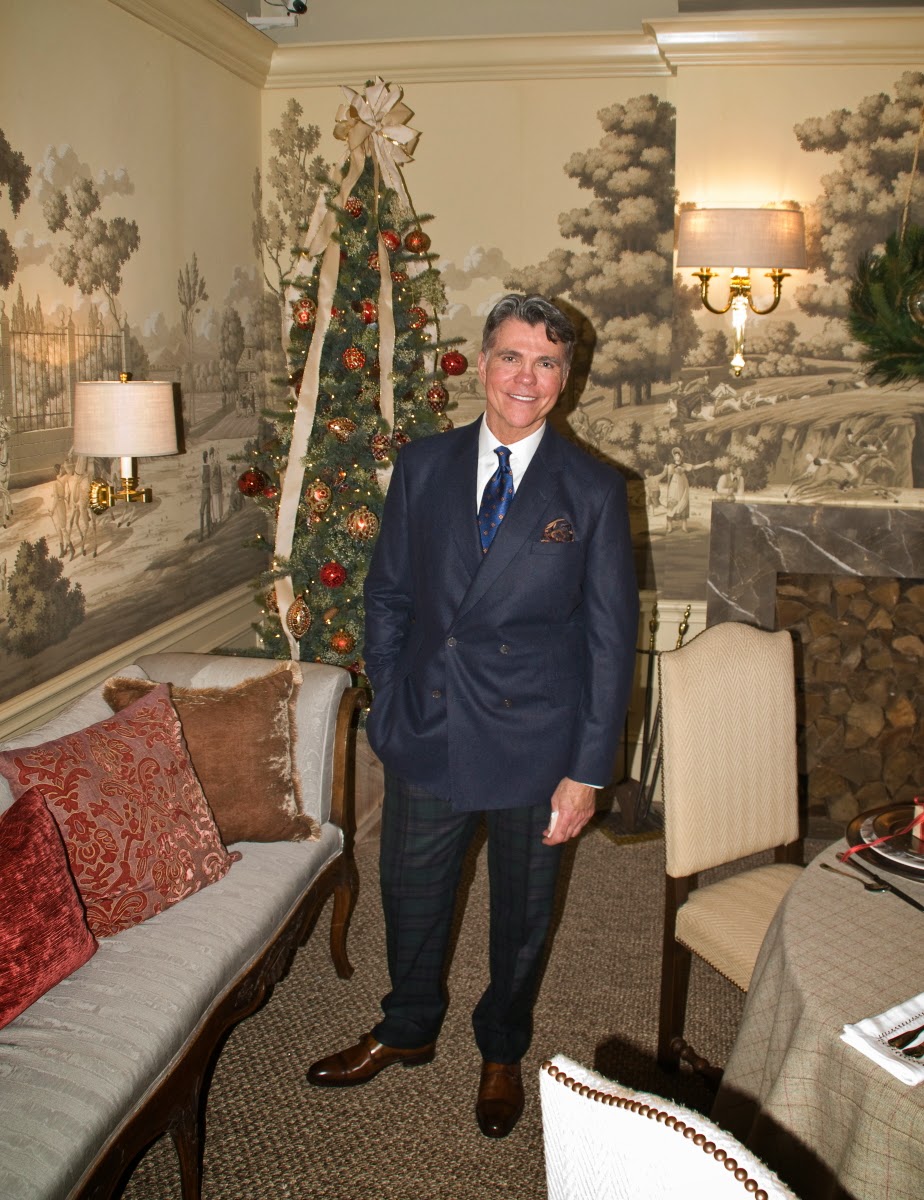
Gerald Pomeroy of Gerald Pomeroy Interiors in his Balmoral Castle Room
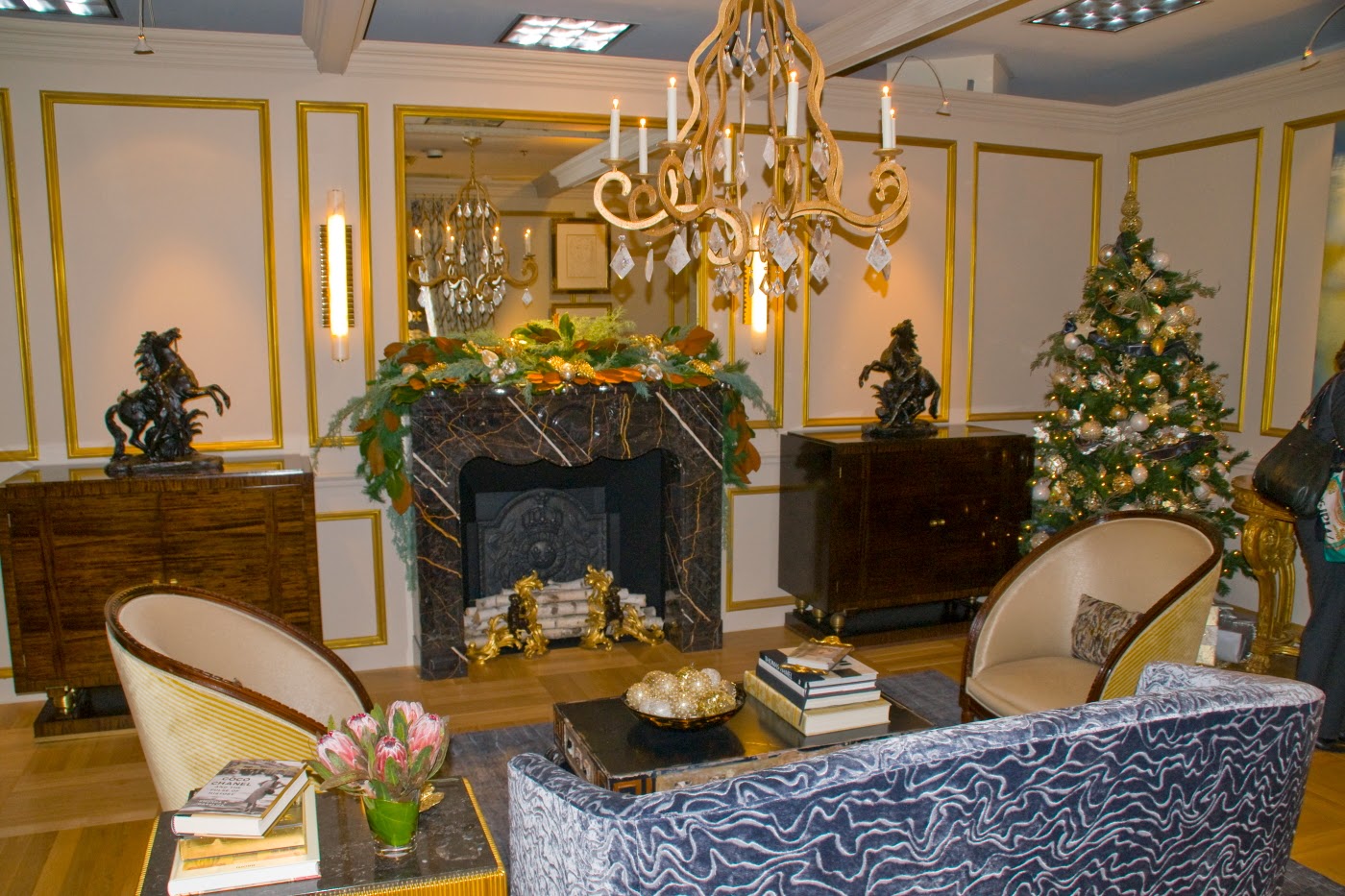
Versailles Renaitre created by Paula Daher of Daher Interior Design
Eric Roseff of Eric Roseff Designs stands in his Winter Palace Photos courtesy of Robert Four
“Home for the Holidays” was unveiled Wednesday evening, October 8 at Neiman Marcus Boston kicking off the Neiman Marcus Boston Holiday season.The three showrooms will be on view and open to the public, free of charge from through January 31, 2015 during regular business hours in the Gift Galleries department of the famed luxury retailer located in Copley Place. The three custom-designed rooms are each inspired by a royal residence – the Balmoral Estate in Scotland, Versailles in France, and the Winter Palace in Russia. Each master designer – Gerald Pomeroy, Eric Roseff and Paula Daher – will mentor a junior member of their team to create the showroom – fully engaging their young partners in their design process.Every item featured in the rooms may be purchased.During the course of the showcase’s run, the designers will host special events to speak to the design process. The showcase culminates in January 2015, National Mentor Month, when the Over My Shoulder Foundation and Cumar Marble & Granite Fabricators will feature a mentoring recognition event open to the public and held on-site at Neiman Marcus Boston.
If you’re looking to create the home of your dreams, contact me to discuss the possibilities! ::Surroundings::
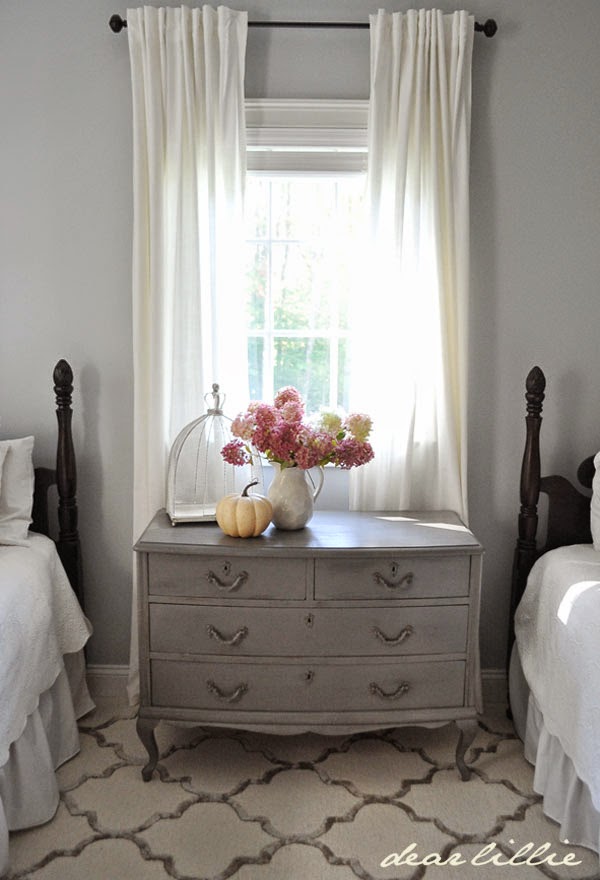
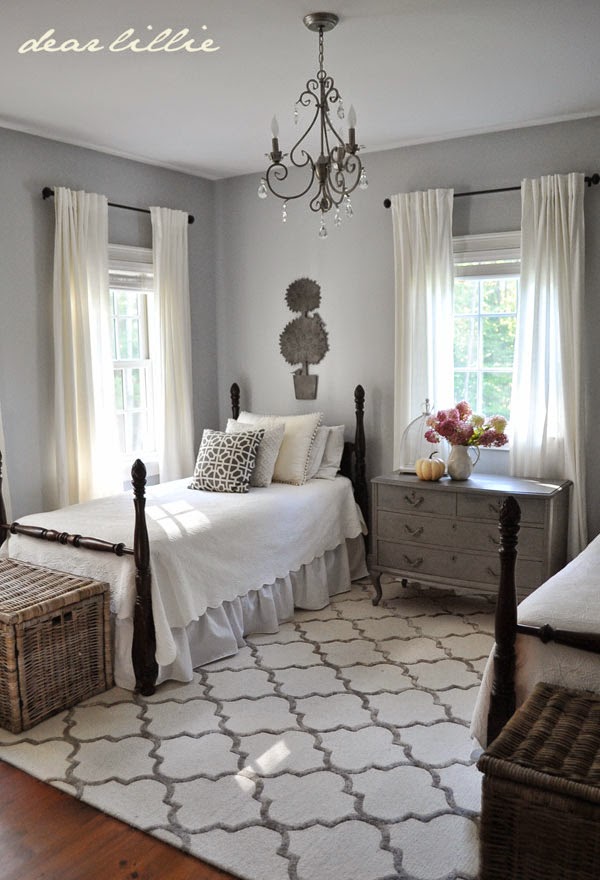
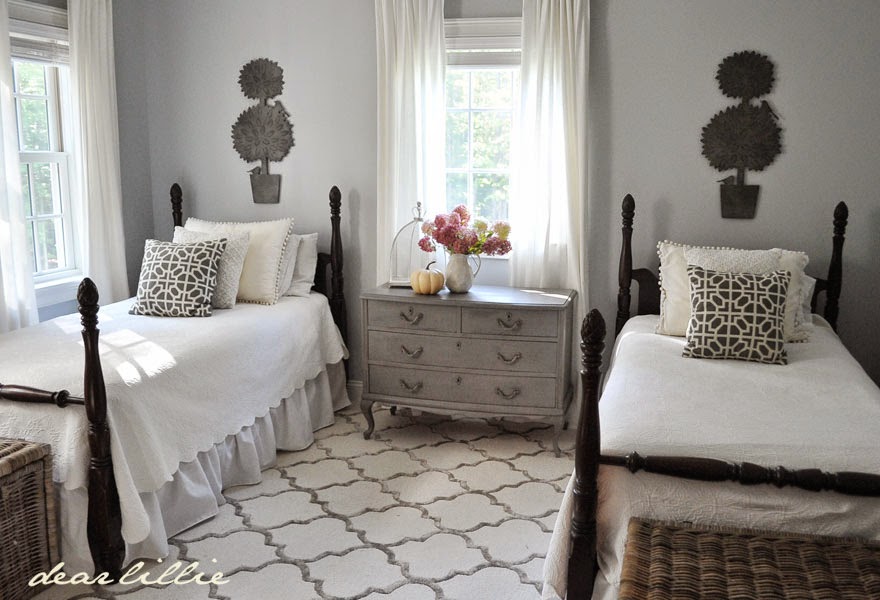
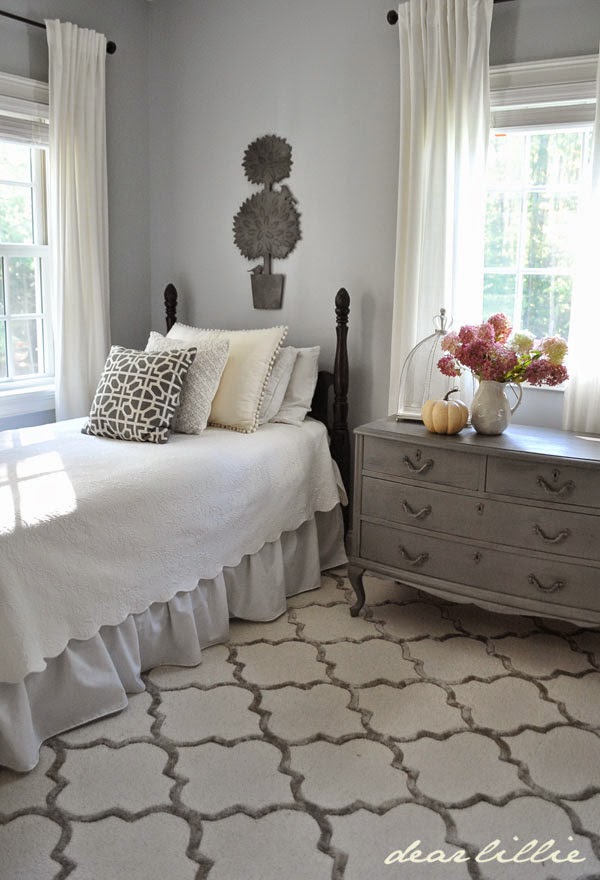
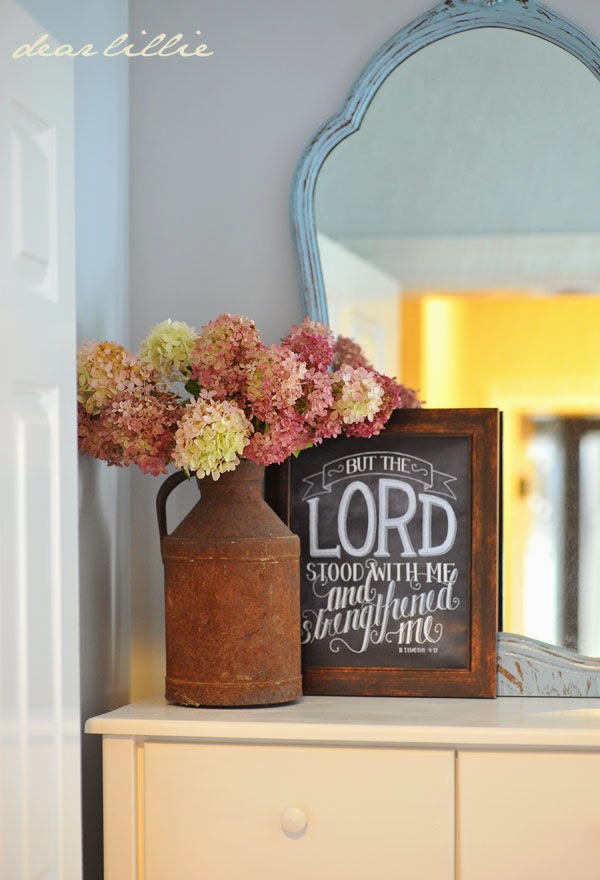
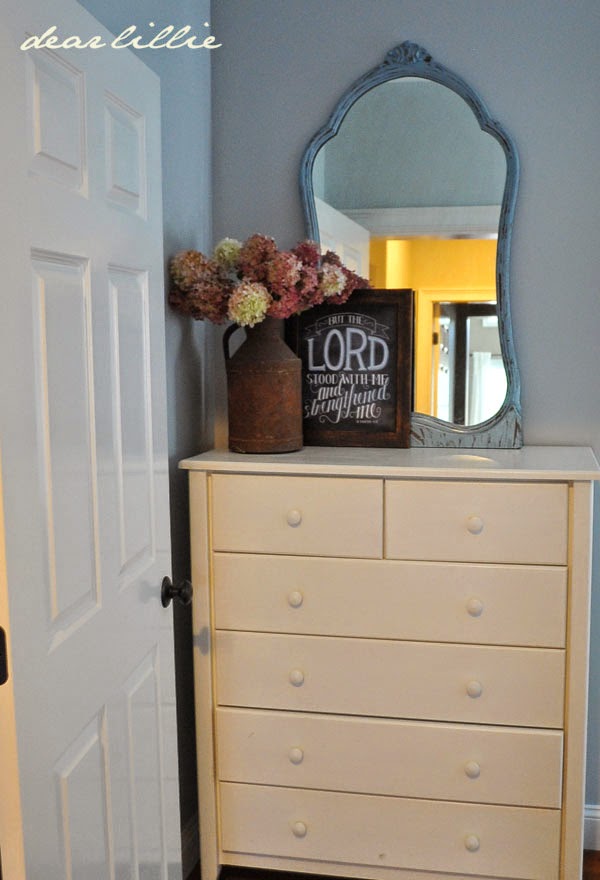
Today I thought I would share with you a few updated photos of my parent’s guest bedroom. They recently added a new larger rug and some trunks to the ends of the beds. (I saw them and loved them so much I copied my mom and got them for the girls room at Jason’s house!) I really love how my mom has put this room together!
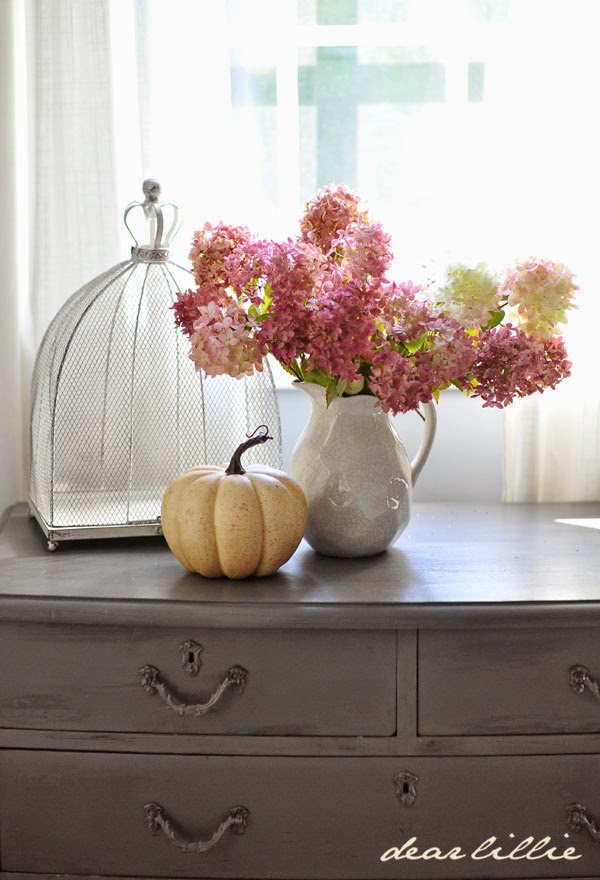
Source List: Wall Color – Pebble Beach by Benjamin Moore Trim/Doors – custom mixed to match windows Beds – Family antiques (were originally my great grandmother and great great aunt’s) Bedding – My mom has actually had the coverlets for years, they are actually completely different from different years but seeing how they are white you can’t tell – haha! Pom Pom Sham – Ballard Design Crocheted Pillows – Target Gray and White Trellis Pillows – Target Dresser between beds – White Home Collection- Wilton, NH Pitcher and Birdcage – TJMaxx Pumpkin – Michael’s Hydrangeas – From my parent’s yard Rug – RugsUSA – Satara Edison Nickel Rug White Dresser – Had for years Blue Mirror – Antique shop years ago Milk Jug – Antique shop years ago Chalkboard Print – Dear Lillie Curtain Panels – RITVA from IKEA Curtain Rods – Target (I think) Trunks at End of Bed – IKEA Metal Topiary Silhouettes Above Beds – Pier1
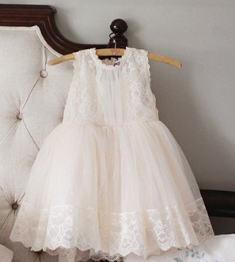
I also wanted to reintroduce one of our sponsors, sweetmelange. Sweetmelange is a wonderful place to shop for shabby chic hair accessories and clothing! They carry everything from birthday headbands to holiday event dresses. It is the perfect place to find a vintage style gift or something special for your little one. Here’s one of the adorable little dresses they carry:
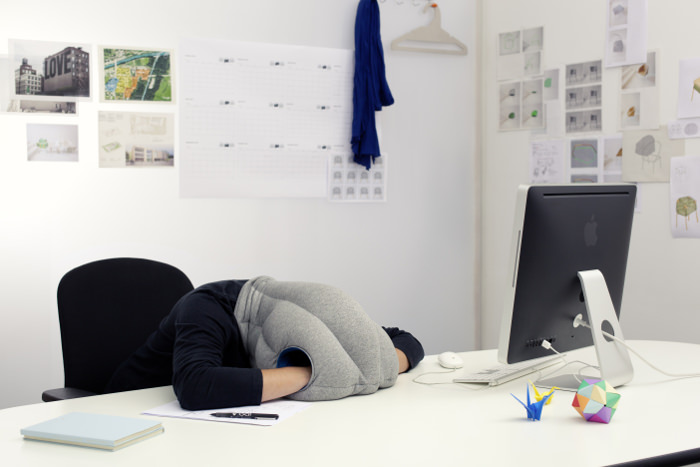
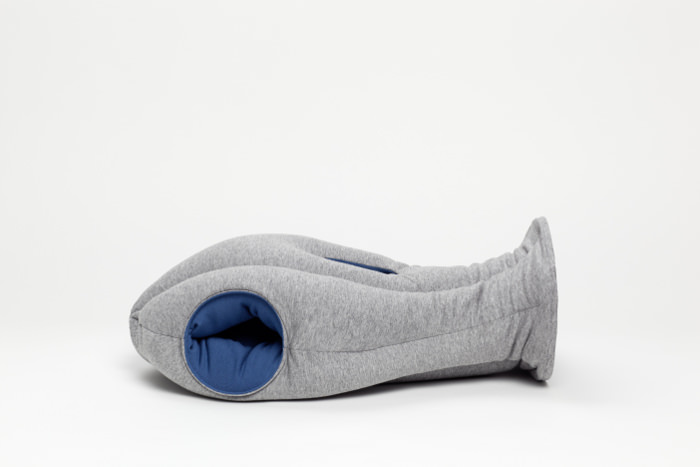
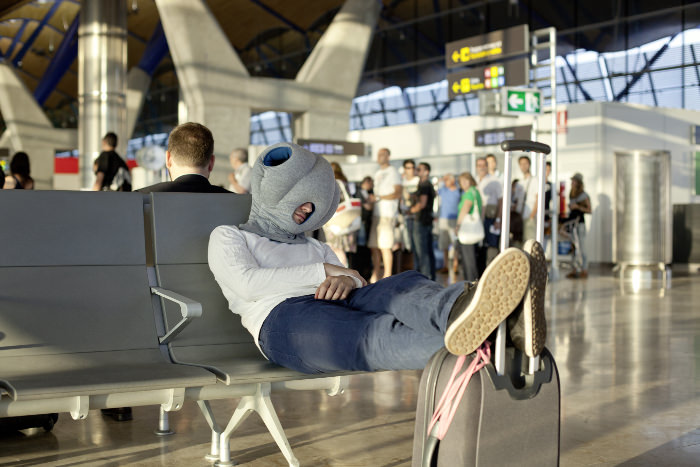
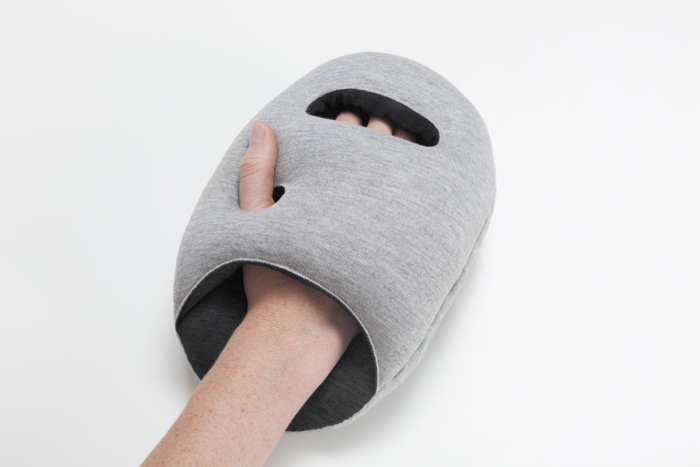
En provenance directe d’Angleterre, le Studio Banana Things vous propose de vous reposer et faire la sieste où vous le souhaitez, sans attendre, au travail, dans les transports grâce à sa gamme de coussins Ostrich Pillow.
Il vous faudra cependant oublier votre style, votre image et bien entendu votre brushing !
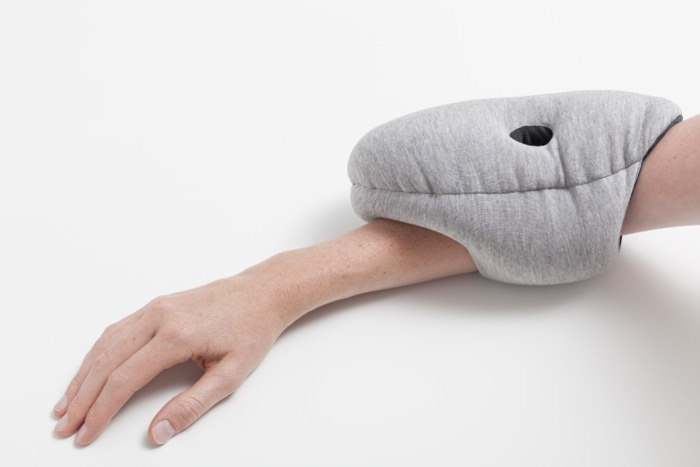
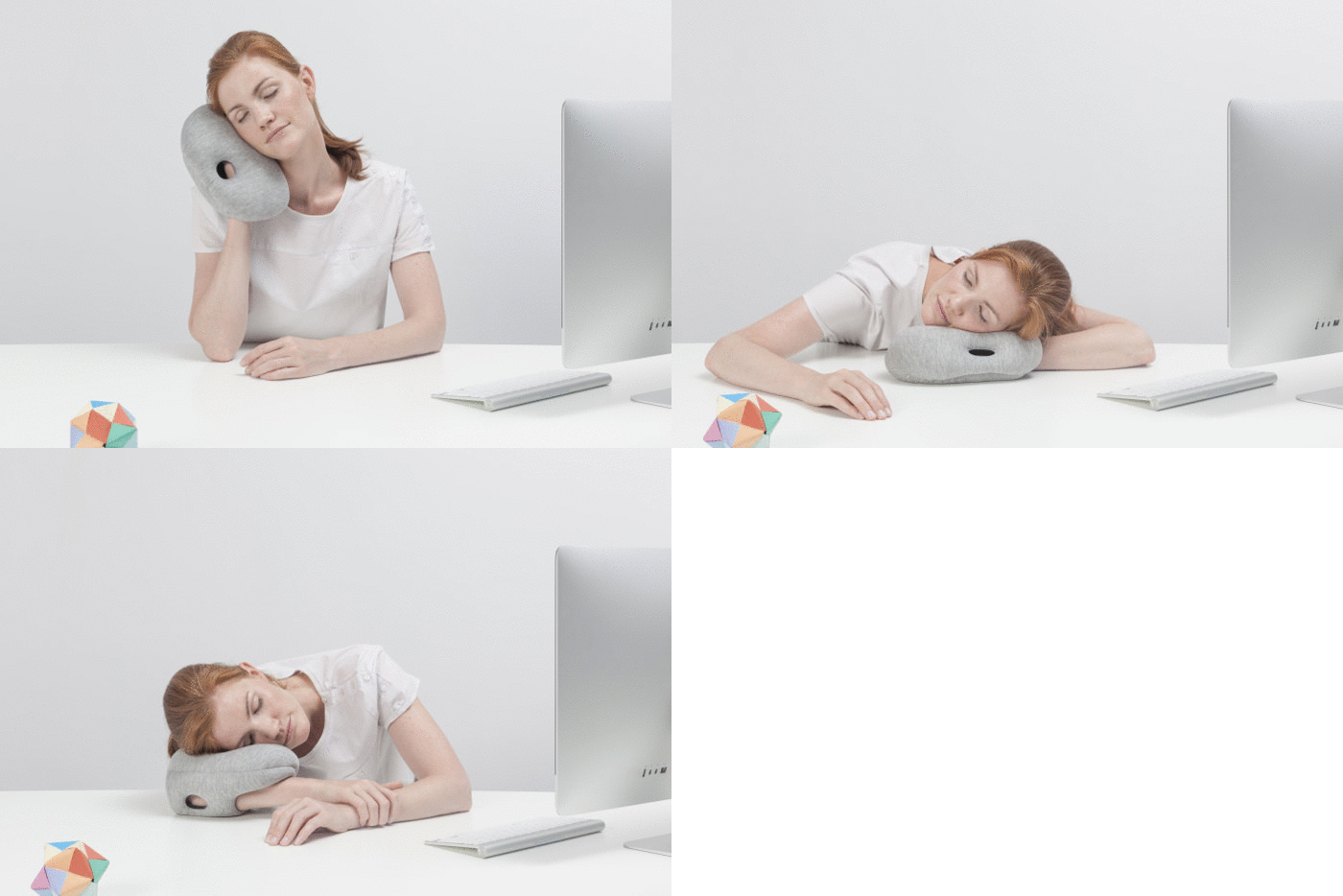
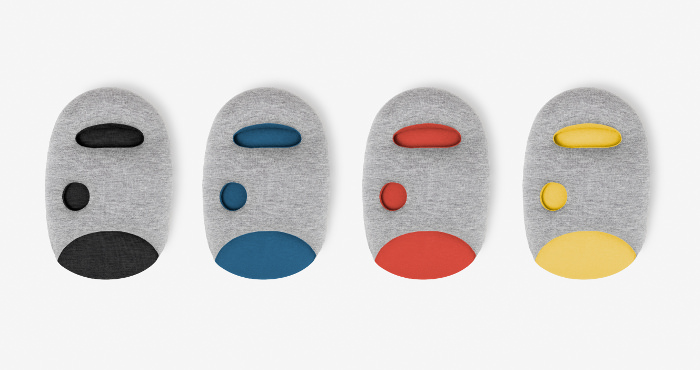
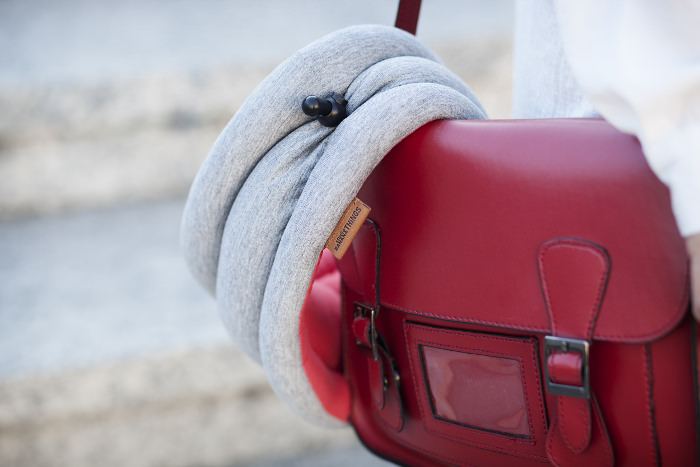
Trois modèles s’offrent à vous, le classique et imposant vous recouvrant toute la tête et vous plongeant dans un noir reposant, le mini à adapter à votre main idéal pour les sieste furtive au bureau et enfin le réversible parfait pour se idéalement se caler dans les transports.
Le premier Ostrich Pillow, le plus imposant vous permettra de vous couper d’une monde extérieur le temps d’un peu de repos… (inspiration télétubbies, octopus…)
Le second, légèrement plus discret, Ostrich Pillow mini, s’adapte idéalement à votre main pour un confort rapide !
Enfin le dernier, Ostrich Pillow reversible, s’adapte en deux couleurs à toutes les situations, entre bandeau et écharpe rembourrée il permettra de prolonger votre nuit le temps d’un trajet !
Plus d’informations sur le studio : Studio Banana Things
By Blog Esprit Design
The post Ostrich Pillow les coussins de sieste par le Studio Banana Things
News: graphic designer Neville Brody has reorganised his London studio and rebranded it as Brody Associates because “people didn’t really understand” its former name, Research Studios (+ interview + slideshow).
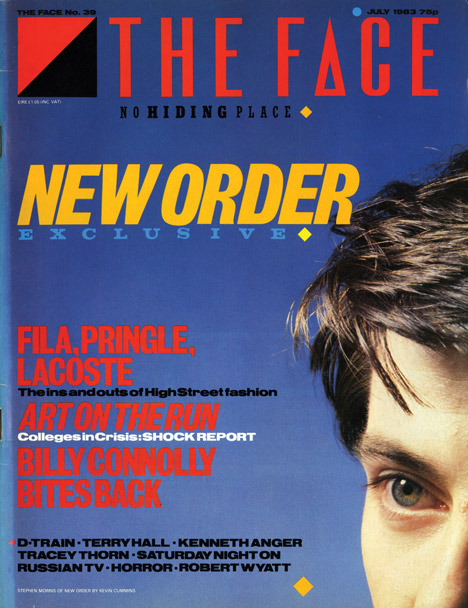
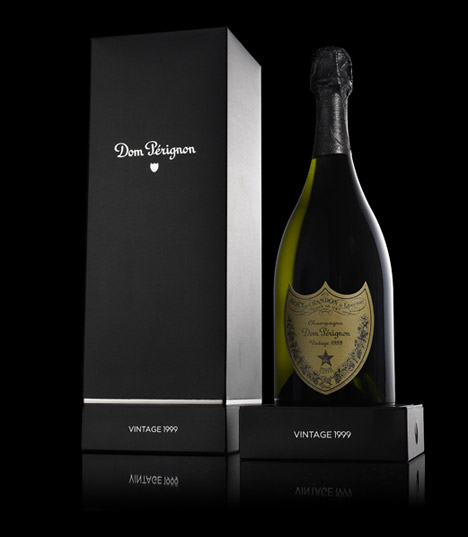
Brody is acclaimed for his work as art director for The Face magazine in the 1980s, and has designed identities for the Guardian newspaper, the BBC and champagne brand Dom Pérignon. He founded Research Studios with business partner Fwa Richards in 1994.
Front cover of The Face, July 1983
The British designer, who announced the rebrand last week, told Dezeen that the move was initiated to avoid clients’ confusion about what services the company provides and about his own role within the organisation.
Related story: Calvert Brody typeface by Margaret Calvert, Neville Brody and Henrik Kubel
“People didn’t really understand Research Studios in a way,” said Brody. “No matter what, people still expected me to sit in all of the meetings and be doing all the projects personally, so in the end we thought we might as well put my name back into the mix again. Especially on a global competitive level, it avoids a step of explaining what Research Studios is.”
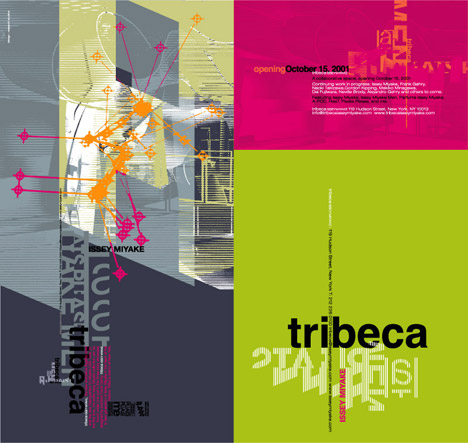
Poster for Issey Miyake
The rebrand of the studio also provided an opportunity to restructure the way the company operates.
“Five or 10 years ago most of our work came from clients that wanted a one-stop shop for everything,” said Brody, who is head of communication design at London’s Royal College of Art. “But clients tend now to shop around for the different parts of their own output. We found clients weren’t quite clear on what we were offering, because we were offering everything.”
Dezeen Book of Interviews: Neville Brody features in our new book, which is on sale now
The studio has moved away from using its full staff base to work across all the different types of commissions that come in, creating a network of designers around the world that can be called upon when needed.
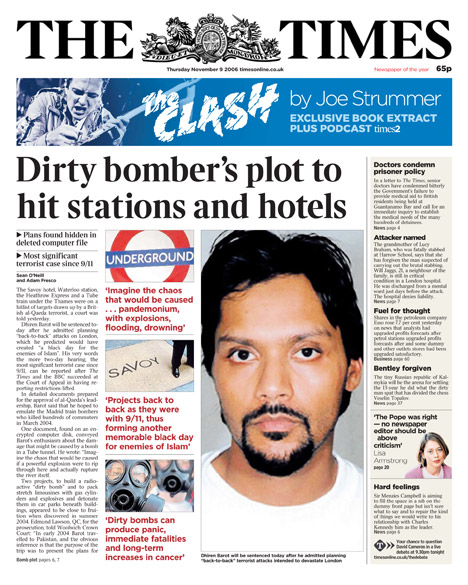
The Times identity
“I think the old model of a boutique agency doing everything with a full-time staff is gone,” Brody said.
“It’s all going to go this way, it’s going to be obviously small office, home-office-based networks. Good individuals won’t be working for companies in contracts, they’ll be moving around companies on projects.”
“Now we’ve got a slightly different model, we’re looking at very small studios or representatives in different places. It’s New York, Paris, Berlin, Tokyo, and then we’ll be looking to develop that as it goes on.”
According to Brody, whose other previous projects include the typeface for the England football teams’ 2014 kit, the rebrand has allowed the studio to focus its efforts on the graphic design offerings it provides.
Dom Peringnon rebrand
“It’s made us think: what are the main things we provide?” said Brody. “And it is identity, and it is typography, and it’s largely digital these days. So it’s allowed us to just clarify the offer to a client. We’re not [UK supermarket chain] Sainsbury’s.”
Brody Associates will keep its headquarters and archive of material from past projects in London.
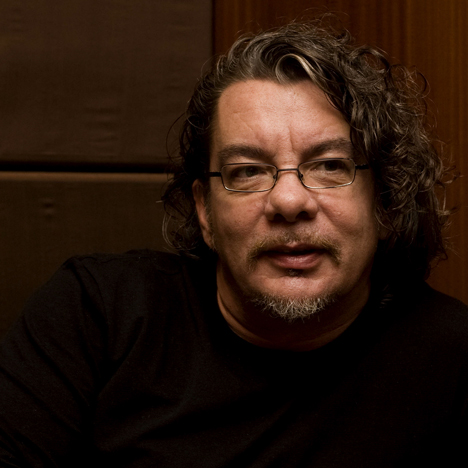
Neville Brody. Photograph by Michael Avedon
Here’s the transcript of the interview with Neville Brody:
Dan Howarth: What’s happening with your studio? Are you rebranding or have you restructured?
Neville Brody: It’s actually been a process over the last three or four years to be honest to get to this place. The studio has traditionally been kind of a large cohort of full-time designers and when we started Research Studios, it was based on the idea that you didn’t have a huge amount of people in one place but you had small studios dotted around that had fixed teams. Then you joined together to make larger projects when those came in.
Even that has now been superseded by the third model, which is what we call nuclei, or loci, that are almost like nerve centres, and then you bring in the special support you need depending on what projects are going on, which means you can be working with the right kind of experts rather than trying to get every designer you have to be an expert in everything you offer. So hence the associates part of that.
Studios need to be so multidisciplinary now
It means we can work with great people, and so for instance if we’re working on a project for an electronics company we can look at motion graphics or a web developer, or a sound designer, or whatever we need. And we do have a couple of guys who are based in Berlin and here working with us on a more permanent basis so there’s a sort of minimum level of support and expertise. I just think studios need to be so multidisciplinary now. In the old days of commercial art, an artist would do screen printing, typography, photography, illustration, deal with the clients, do the billing, I mean everything. People like A M Cassandra, would have been doing all of those things and that’s the old commercial artists model. So it’s sort of a bit like that but magnified to the power of a hundred now.
Dan Howarth: Why do you think that is?
Neville Brody: Because, say five or 10 years ago most of our work came from clients that wanted a one-stop shop for everything. So they would come to us for a brand design, then we would also deliver digital templates, print templates, environmental and physical installation templates, and then all of the brand materials on top of that so we would supply a complete DNA at that point. But clients tend now to shop around for the different parts of their own output. So they might go somewhere separately for all of their web bold, for all of their branding and for their print provision. So it’s a different shift and we found clients weren’t quite clear on what we were offering, because we were offering everything.
We need to be more flexible than we were before
It’s just flipped, I think it’s recessionary thinking in a way. You’d rather parcel it up and say right, we’ve got our website, and you look at that as almost a separate business model for example. So there’s less time across everything. But there’s more specialism, so ironically we need to be more flexible than we were before and the only way to do that is to have staff of over a hundred, each one of them having a different nuanced specialism. We’re multi-specialists through having a great team of people we can pull in.
It’s all going to go this way, it’s going to be obviously small office, home-office-based networks. Good individuals won’t be working for companies in contracts, they’ll be moving around companies on projects. It’s not zero hours, it’s basically a very large free-market model for services.
Dan Howarth: How has that come about?
Neville Brody: Well we’ve been building for two to three years, and going as an operational model and it’s working well now. So if we’re doing type de sign, for instance, we know the people we pull in to work with us on the development but they don’t have to be permanently based here. It sounds like a no-brainer in a way but I think the old model of a boutique agency doing everything with a full-time staff is gone. I suspect the giant model of, like 500 designers, becoming a sort of factory like LPI, or Sapient Nitro or Michael Peters, those mammoth agency days are over as well. I think it’s just about being agile, more than anything.
Dan Howarth: Is this happening because technology is enabling people to work remotely or from whenever they need to be?
Neville Brody: Exactly. It’s neither one thing or the other, it’s not only a remote model, which some service agencies can do, and it’s not only a physical model, you need a mixture of both. There still needs to be a physical location, a place for potentially physically collaboration. And there needs to be the ability to pull in services from around the world if necessary, and it becomes an extended physical space into an electronic space.
The old model of a boutique agency doing everything is gone
Dan Howarth: And this has resulted in a rebrand of your studio?
Neville Brody: The name Research Studios basically came out of [the fact that] we were going to call ourselves R&D, because we really liked the idea of credit licensing R&D. But then we realised we didn’t want to be that 500-person company, so we dropped the development part of R&D and focused on the research.
But then people didn’t really understand Research Studios in a way. No matter what, people still expected me to sit in all of the meetings and be doing all the projects personally, so in the end we thought we might as well put my name back into the mix again. Especially on a global competitive level, it avoids a step of explaining what Research Studios is.
Dan Howarth: Internationally, people identify with your name more easily than they do an ambiguous name of a company.
Neville Brody: Yeah 100 per cent, unless that is your goal is as a collective. So now we’ve got a slightly different model, we’re looking at very small studios or representatives in different places. It’s New York, it’s Paris, it’s Berlin, Tokyo, and then we’ll be looking to develop that as it goes on.
Dan Howarth: But you’re still going to keep a base in London?
Neville Brody: Absolutely. Also my archive needs to be somewhere as well, so it’s sort of a no-brainer in a way but it’s made us think: what are the main things we provide? And it is identity, and it is typography, and it’s largely digital these days. So it’s allowed us to just clarify the offer to a client. We’re not Sainsbury’s.
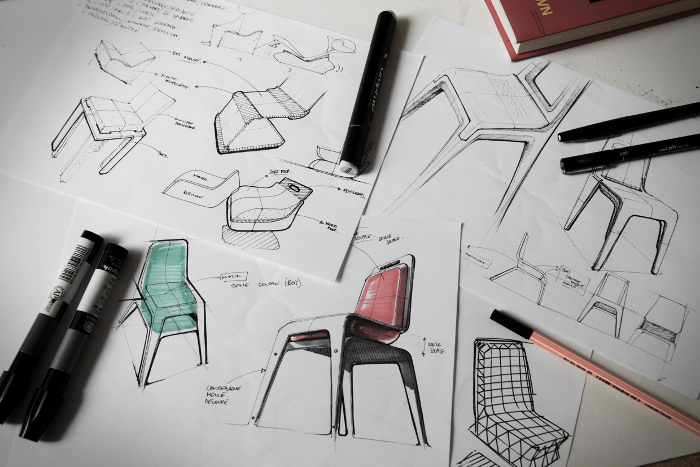
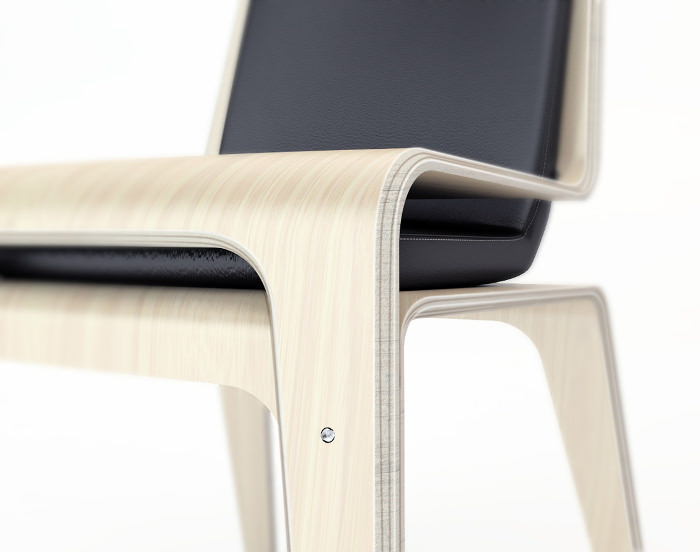
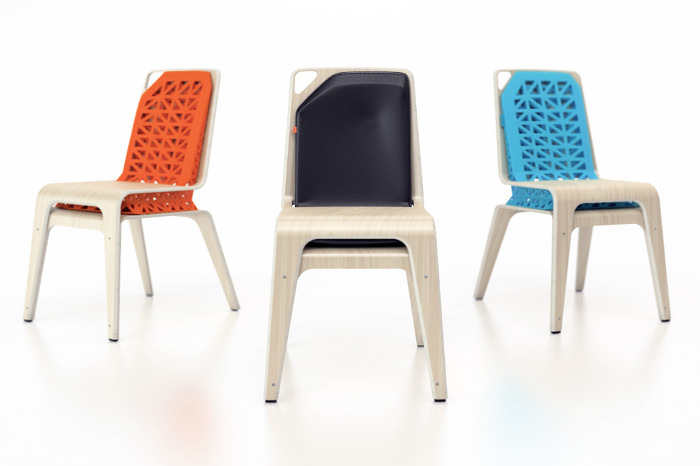
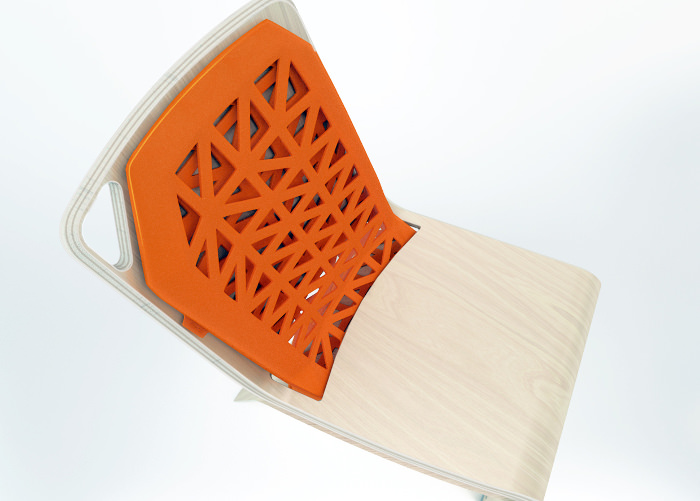
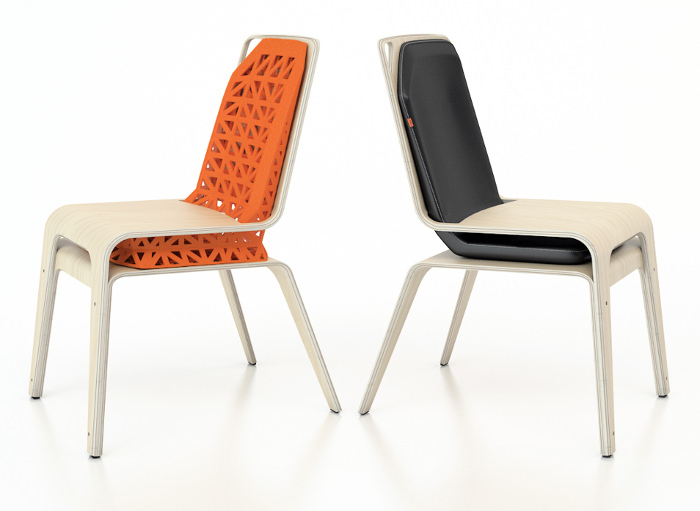
Léo Marzolf, jeune étudiant designer français du côté de l’ISD Valenciennes nous présente sont projet Flexy, chaise basée sur la volonté d’expérimentation des matériaux pour notre confort.
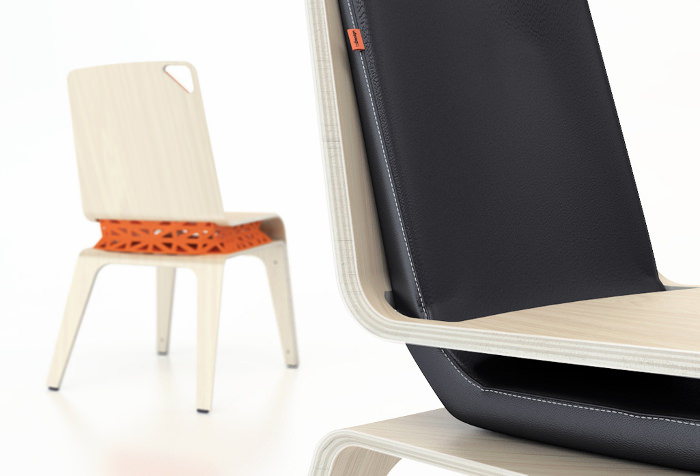
Tel un sandwich, chaque chaise présente deux assises entre lesquelles le designer place un élément autre que bois : cuir, caoutchouc jouant le rôle de rembourrage.
A l’inverse, le dossier lui est recouvert du prolongement du rembourrage, venant contraster avec l’ensemble et retirant l’idée de s’asseoir essentiellement sur une chaise en bois.
Plus d’informations sur le designer : Léo Marzolf (son behance)
By Blog Esprit Design
The post Projet étudiant : Chaise Flexy par Léo Marzolf ISD Valenciennes






 If you’re looking to create the home of your dreams, contact me to discuss the possibilities!













 Front cover of The Face, July 1983
 Poster for Issey Miyake
 The Times identity
 Dom Peringnon rebrand
 Neville Brody. Photograph by Michael Avedon